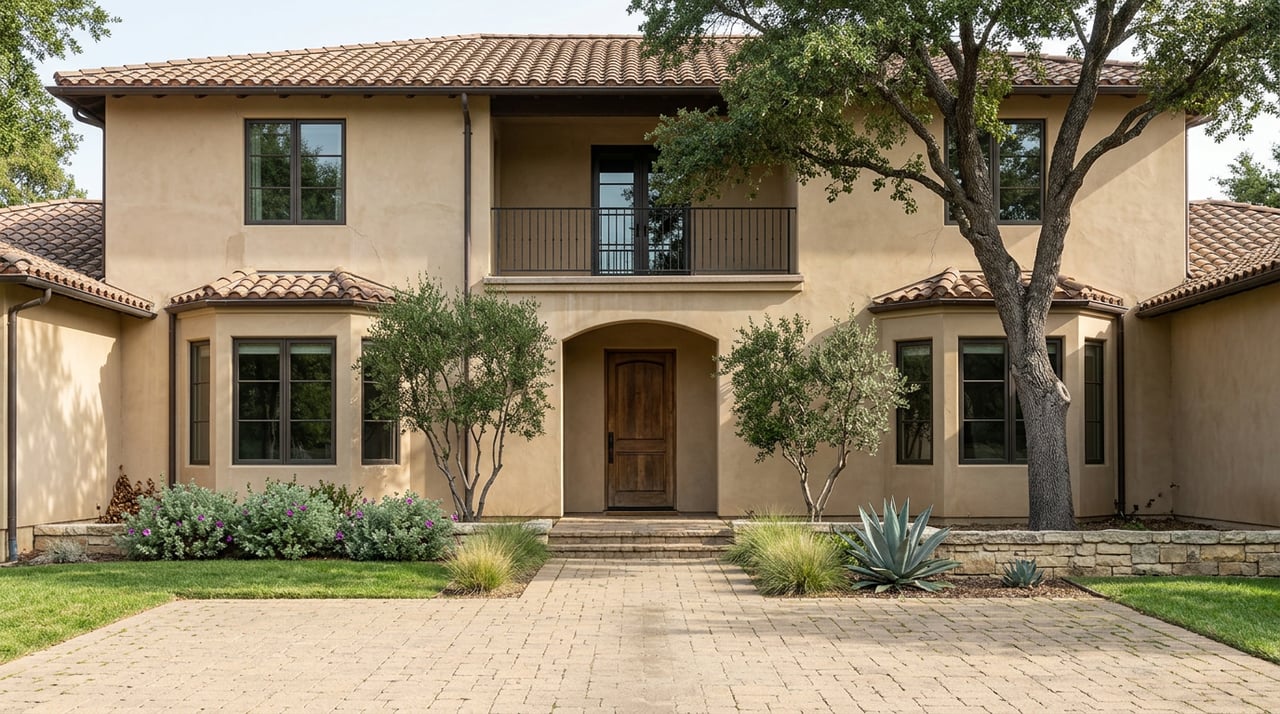
Buyers touring a home off Kanan or up in Old Agoura walk in expecting the usual inspection concerns: roof age, HVAC, maybe a water heater past its warranty. Sellers brace for the same short list. Then the report arrives with items neither side saw coming, because the friction in Agoura Hills sits below the surface, up in the oak canopy, and inside a disclosure form that grew twelve new lines in the summer of 2025.
If you are selling here, the deal-killers are not generic. They are geographic. The homes are on hillsides, most of the city sits in a designated Fire Hazard Severity Zone, and the city protects its oaks with an ordinance that has teeth. Prepare for those three things and the rest of the transaction tends to move at a normal pace. Ignore them and you spend the last two weeks of escrow arguing about credits.
The Disclosure That Grew Twelve New Items In July 2025
California's AB 38 has required fire hardening and defensible space disclosures from sellers in High and Very High Fire Hazard Severity Zones since July 1, 2021. Most Agoura Hills homes fall inside one of those zones, so most sellers here have been handing over some version of this form for years.
What changed is the level of specificity. In June 2025, the California Association of Realtors revised the Fire Hardening and Defensible Space Disclosure and Addendum. Starting July 1, 2025, sellers in these zones must disclose whether twelve specific home-hardening conditions have been satisfied, along with a list of affordable upgrades that have been completed. Buyers are reading the disclosure line by line and asking about the empty checkboxes.
The items that surprise sellers most:
- Vent screening. California Building Code Chapter 7A requires vents in Fire Hazard Severity Zones to be equipped with non-combustible, corrosion-resistant mesh with openings between 1/16 and 1/8 inch. Older attic and foundation vents often have 1/4 inch screening. That is a disclosure item and a buyer negotiation lever.
- The 0 to 5 foot zone. Post-fire studies define the area within five feet of the home as the non-combustible zone. Bark mulch against a stucco wall, a wood gate touching siding, or a juniper hedge under the eaves will all get flagged.
- Defensible space documentation. If the seller cannot produce compliance documentation, escrow can close with an agreement that the buyer obtains it within one year, which shifts the cost and hassle onto the buyer and usually shows up as a credit request.
The Agoura Hills Fire Safe Council distributes free ember-resistant vent mesh to residents, which is one of the least expensive pre-listing upgrades a seller can make. Details and the order form are on the Council's home hardening page.
Oaks Are A Permit Issue, Not A Landscaping One
An inspector notes an oak limb resting on the tile roof. On most reports, that is a one-line trim recommendation. In Agoura Hills, it is the start of a permit conversation.
The city's Oak Tree Preservation ordinance treats removal, pruning, cutting, and encroachment into the protected zone of any oak as a regulated activity. Fire-damaged oaks require a full oak tree report before any work can be permitted. Emergencies are handled through a separate hazardous-tree pathway, but a buyer reading an inspection report the week before closing does not want to hear the word "emergency."
Three practical implications for sellers:
- If a limb needs to come off before photos, have it done by a preservation-consultant-supervised crew and keep the certification letter. Buyers ask for it.
- Any grading, drainage, or hardscape repair that touches the protected root zone of an oak needs planning review before it starts. That timeline can outlast a 30-day escrow.
- Landscaping cleanup for the 0 to 5 foot fire zone has to respect the oak ordinance at the same time. The two rules coexist and occasionally push in opposite directions.
Below The Surface In Old Agoura And Morrison Ranch
Not every home in Agoura Hills is on the sewer. Neighborhoods with semi-rural character, larger lots, and hillside terrain often operate on private septic systems, and those systems interact with local geology in ways that trip up buyers coming from flatter parts of Los Angeles County.
The clay-heavy hillside soils here shorten the useful life of leach fields. Where a traditional leach field is not feasible, seepage pits are the approved alternative. Most lenders require a written septic inspection when the property has a septic system, and the city's hillside regulations block installation of a new private septic system on any parcel under one acre, which matters when a buyer's inspector suggests replacement.
| System type | What buyers usually ask for | What sellers should have ready |
|---|---|---|
| Municipal sewer | Sewer-scope camera inspection of the lateral | Recent video, any prior repair invoices |
| Private septic | Pump-out plus written inspection report | Pump records from the last 3 to 5 years, tank location survey, any permits |
| Seepage pit | Documentation of pit condition and county approvals | Original installation permit, any subsequent repair records |
Lenders and underwriters treat septic condition as a closing issue, not a wish-list item. Sellers who discover a failing leach field two weeks into escrow are almost always negotiating a price reduction rather than a repair, because a replacement design in a hillside zone can take longer than the contract allows.
Sewer Laterals Move With The Hills
Even on sewer, the terrain matters. Older laterals in Agoura Hills develop offset joints from decades of hillside settlement, and mature landscaping sends roots straight into any joint that opens up. A sewer-scope camera is not a specialty add-on here. It is standard practice, and buyers who skipped one at inspection often come back mid-escrow asking to schedule one anyway.
The city's hillside development standards exist, in the city's own words, to protect residents from geologic hazards such as unstable soils and erosion. That same soil movement is what a sewer camera picks up as an offset joint thirty feet down the lateral.
If your home was built in the 1970s or 1980s, which describes most of the city's housing stock, assume the lateral will be scoped and price the possibility of a spot repair into your pre-listing numbers.
Why This Matters More Right Now
Agoura Hills is not the frenzied market it was two years ago. The three months ending May 2026 saw a median sale price around $1.4 million with homes selling in roughly 44 days, and a mid-July 2026 snapshot showed about 94 active listings with average days on market near 60. Buyers have time to read the disclosure carefully, order the sewer scope, and ask their agent to price every open item on the report.
In a fast market, a seller can defer a $1,500 vent-mesh retrofit and a $600 sewer scope and still get list price. In this market, those two items become a $10,000 credit request because the buyer has leverage and no reason to concede. The homes closing near list are the ones that arrived on the market with the disclosure boxes checked and the reports already in the file.
A Pre-Listing Sequence That Works Here
- Order a pre-listing home inspection, a sewer scope, and a septic inspection if applicable, three to four weeks before photos.
- Complete the AB 38 twelve-item review with your agent. Order free ember-resistant mesh from the Agoura Hills Fire Safe Council if any vents fall short of Chapter 7A.
- Clear the 0 to 5 foot zone around the structure, respecting oak protection rules on the same walk.
- Get any oak work done under a preservation-consultant certification letter and save it.
- Assemble septic pump records, prior lateral video, permit history, and any Firewise or defensible-space documentation into a single packet for the buyer.
Note that Agoura Hills adopted a new code cycle on January 1, 2026, so any permitted work you finish now follows the updated standards, which is a small marketing point when a buyer asks about recent repairs.
Quick Answers Sellers Ask
Do I have to complete every home-hardening item before I list? No. The disclosure asks what has been done, not what must be done. Blank boxes are legal. They are also negotiating points.
Is a CAL FIRE defensible space inspection the same as a home inspection? No. CAL FIRE handles defensible space inspections related to selling real estate, which is a separate process from the private home inspection a buyer orders.
My lot is under an acre and on septic. Can a buyer force a replacement design? A buyer can request one, but the hillside ordinance limits new private septic systems on parcels under one acre, which means the practical fix is often repair or a seepage pit rather than a full new leach field. That reality is worth explaining in the counteroffer.
Selling in Agoura Hills rewards preparation the same way it always has, but the preparation checklist looks different than it did three years ago. If you are thinking about listing this year and want a walk-through of what your specific property will trigger, Happy SoCal Homes is glad to help. Schedule your free consultation and we will map the timeline, the disclosures, and the pre-listing repairs before the first buyer ever pulls up to the curb.