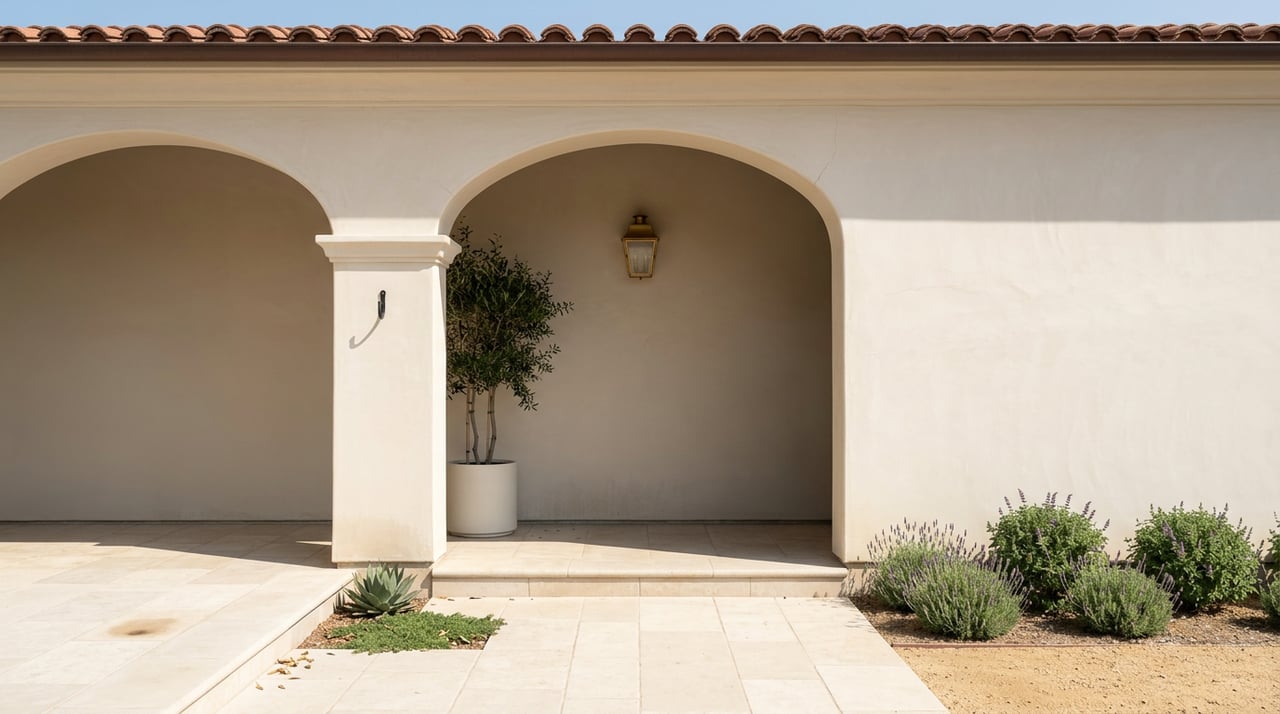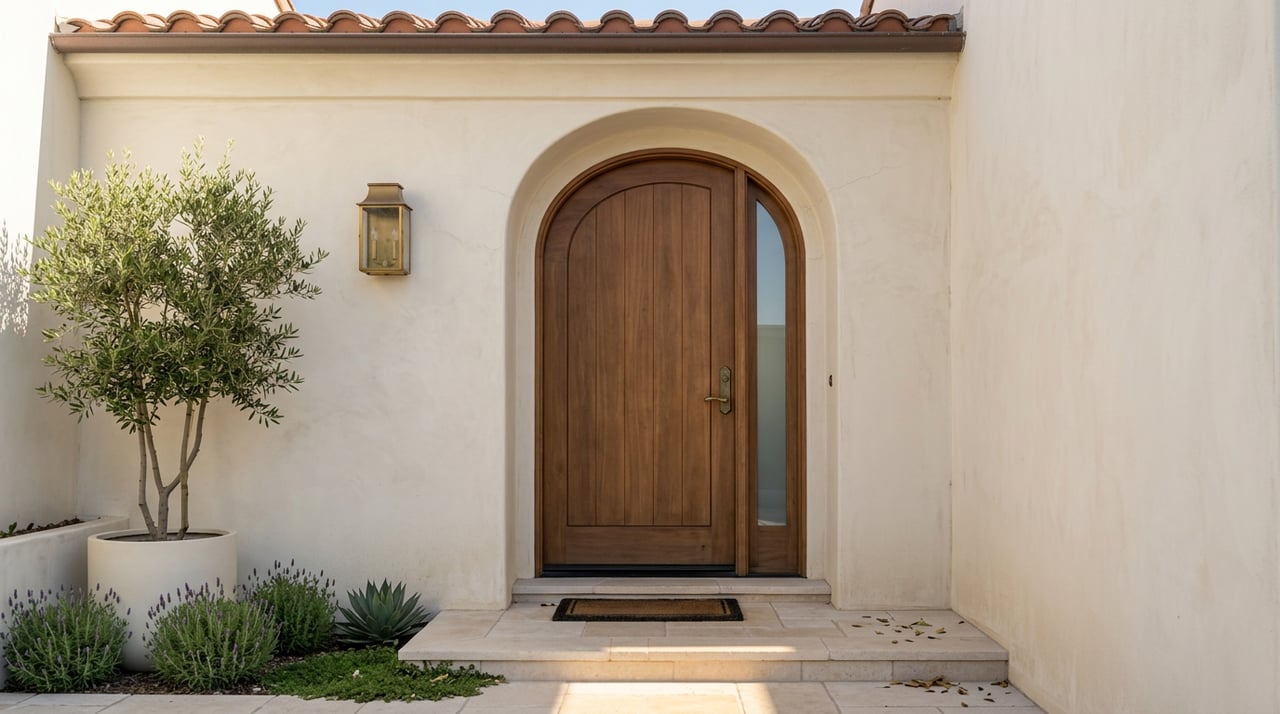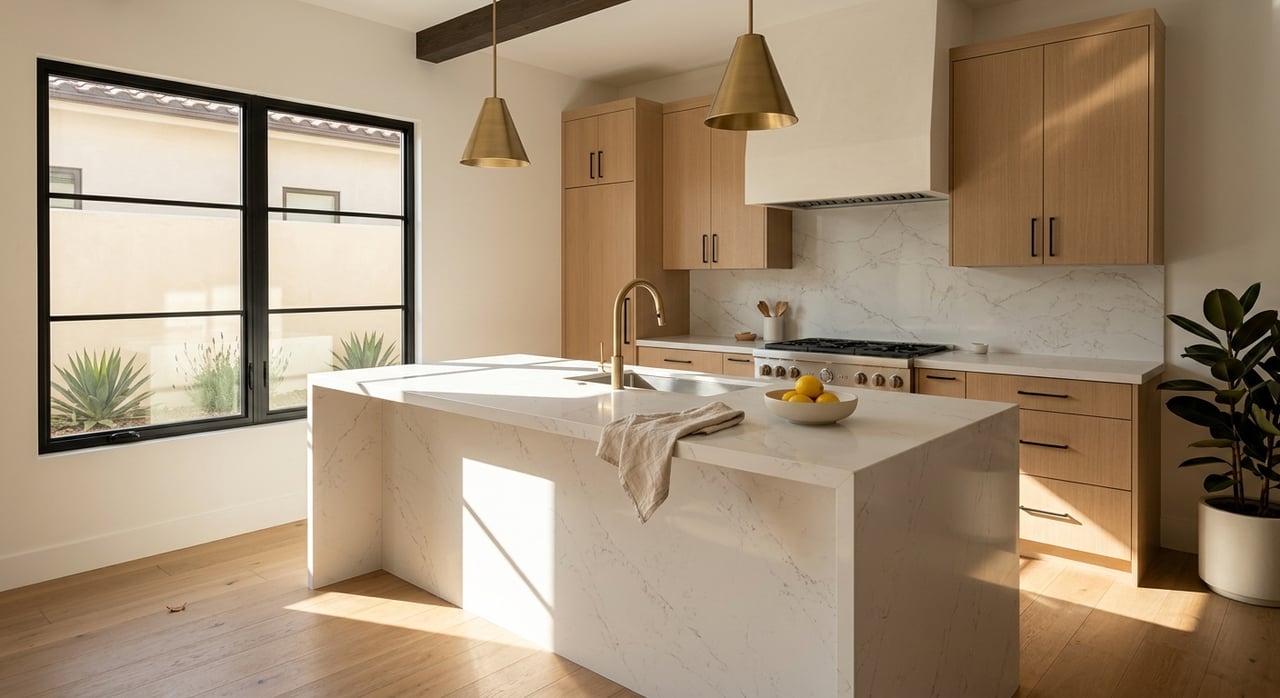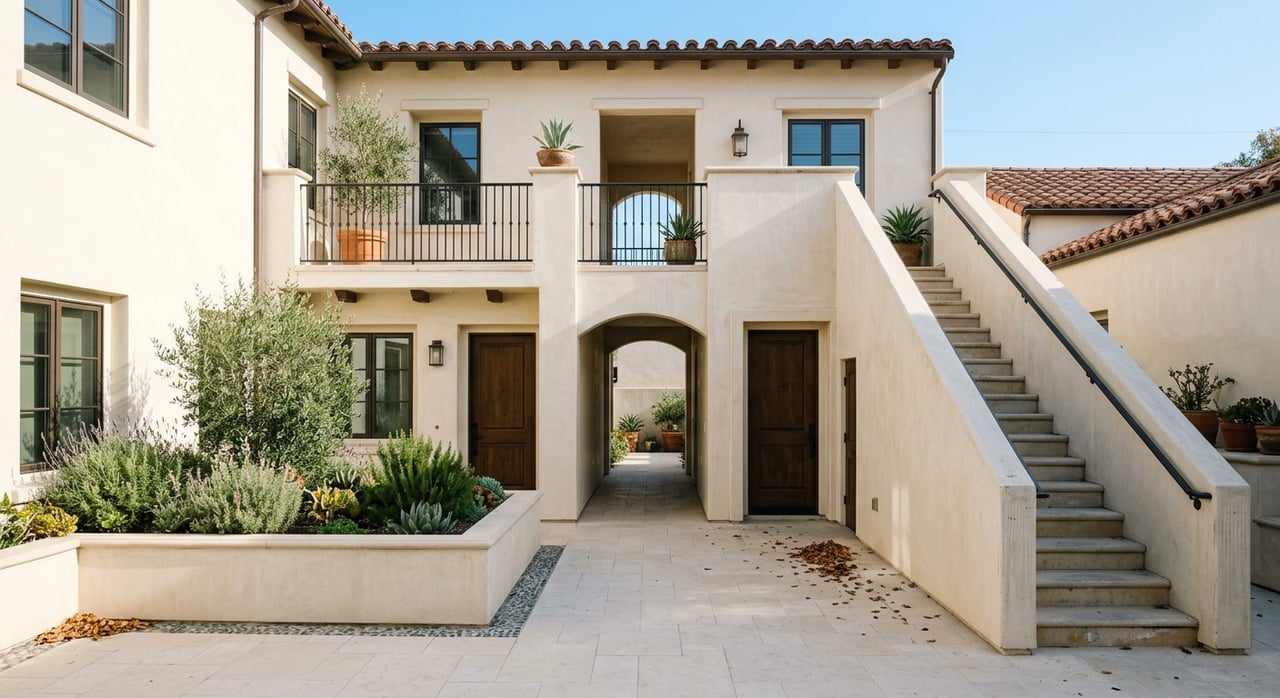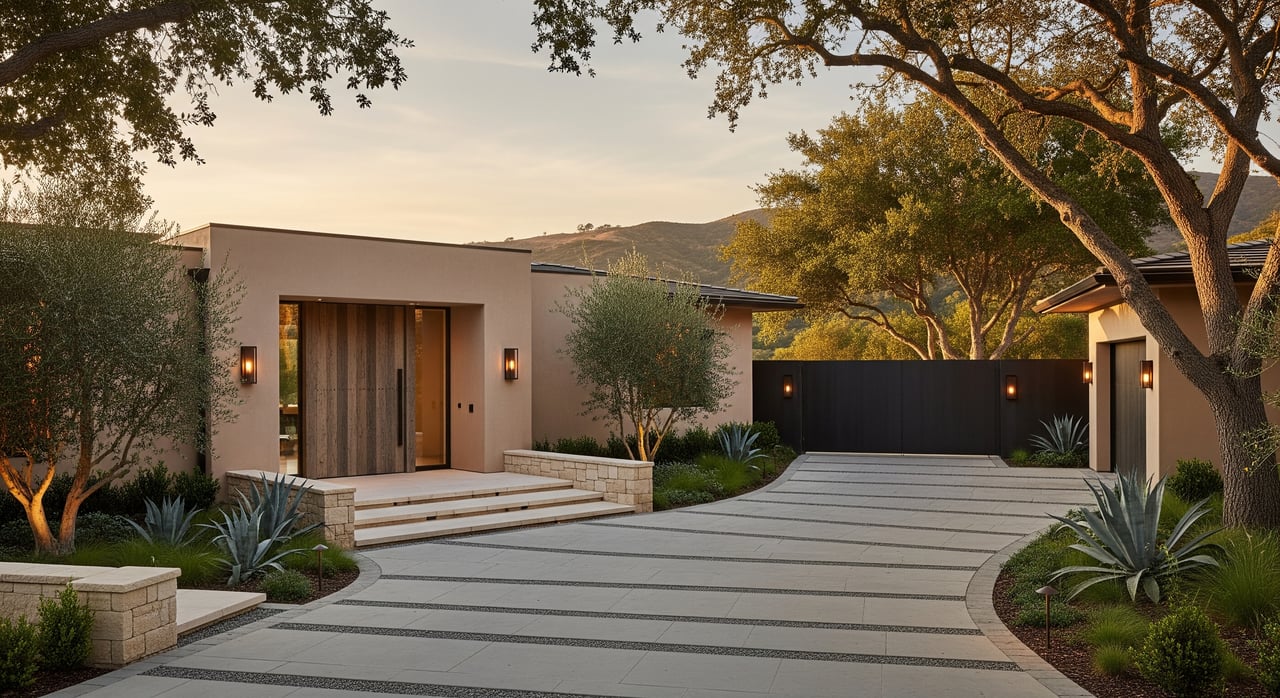
Selling your home in Calabasas can feel like a moving target if you are trying to plan around repairs, showings, your next move, and closing dates all at once. You want a sale that feels organized, not rushed, and you need a timeline that matches how the local market actually works. The good news is that most sellers can map out the process in clear stages, from early prep to closing day. Let’s walk through what that timeline often looks like in Calabasas.
Start With Strategy
Before your home ever hits the market, the first step is a seller consultation and pricing plan. This stage often takes a few days to about a week, depending on how quickly you gather details and decide on next steps. It is where you clarify your timing, review likely net proceeds, and set a realistic pricing approach.
In California, this early phase matters more than many sellers expect. Listing and selling brokers are required to conduct a reasonably competent and diligent visual inspection of accessible areas in a resale transaction, and the Transfer Disclosure Statement must be delivered as soon as practicable before title transfers. That makes the consultation stage the right time to identify visible issues, talk through repairs, and begin assembling disclosures.
For Calabasas sellers, wildfire context should also be part of that first conversation. The City of Calabasas states that the entire city remains within a Very High Fire Hazard Severity Zone based on the latest published fire hazard map. That does not mean every sale becomes complicated, but it does mean fire-related prep should be part of your planning from day one.
Plan For Several Weeks Of Prep
The pre-listing stage is usually the most variable part of the timeline. For many homes, this phase takes several weeks, especially if you need cleaning, paint, repairs, landscaping, staging, photography, or contractor scheduling. If you are aiming for a polished launch, it helps to think in weeks, not days.
This is also where concierge-style support can make a real difference. Coordinating vendors, tracking deadlines, managing staging, and keeping paperwork moving can quickly become a full-time job. A well-managed prep period helps you avoid a rushed listing and gives your home the strongest possible first impression.
Common Pre-List Tasks
Most Calabasas sellers work through a checklist that may include:
- Deep cleaning
- Interior paint touch-ups
- Minor repairs
- Landscaping refresh
- Staging or styling
- Professional photography
- Gathering HOA documents, if applicable
- Preparing required disclosure forms
Not every home needs every item on the list. The goal is not to overdo it. The goal is to focus on the work that improves presentation, supports pricing, and reduces surprises later.
Fire-Zone Prep In Calabasas
Because Calabasas is within a Very High Fire Hazard Severity Zone, some homes may need extra attention during prep. The city notes that properties in high or very high fire zones may be subject to California Building Code Chapter 7A and defensible-space requirements. In practical terms, that can make brush clearance, exterior touch-ups, and fire-hardening documentation more relevant, especially for hillside or canyon-adjacent properties.
For sellers, that means outdoor prep is not just about curb appeal. It may also affect how ready your property feels to buyers reviewing the home and its condition. Tackling this work early can help keep your timeline smoother once your home is active.
Build Your Disclosure Packet Early
California sellers have a meaningful amount of disclosure work to complete, and this step can add real time to the process. The California Department of Real Estate notes that sellers may need to provide documents and information related to the Transfer Disclosure Statement, Natural Hazards Disclosure, Mello-Roos bonds and taxes, property taxes, and HOA or common-interest development documents. For homes built before 1978, lead-based paint disclosures and a buyer inspection opportunity may also apply.
A third-party consultant can help complete the Natural Hazard Disclosure, but the seller still has the duty to deliver it. That is one reason it helps to begin early rather than wait until your listing is already live. Good preparation here supports a cleaner transaction later.
Late disclosures can also create avoidable risk. The DRE notes that when certain disclosures are delivered late, buyers may have a termination window of three days after in-person delivery or five days after mailing in relevant cases. In simple terms, if paperwork comes together too late, your deal timeline can stretch or become less predictable.
Expect Weeks On Market, Not Days
Once your home is listed, the next phase includes showings, buyer feedback, and offer review. In recent Calabasas market snapshots, median days on market were reported at 48 to 52 days. That gives sellers a useful planning benchmark of roughly seven weeks on market, even though individual homes can move faster or slower.
This is an important expectation-setting point. Calabasas is not a same-week closing market for most listings, but it is also not a market where every well-prepared home sits for months. If your home is priced realistically and shows well, you may beat the median.
What Helps A Home Move Faster
While no one can promise a timeline, a few factors tend to support a stronger market response:
- Pricing that reflects current market conditions
- Clean, polished presentation
- Strong photos and launch materials
- Early disclosure preparation
- Smooth showing logistics
These pieces work together. Pricing and presentation are closely linked, and buyers often respond best when a home feels both well-positioned and well-prepared.
Prepare For A 30 To 45 Day Escrow
After you accept an offer, the process shifts into escrow. In financed California sales, this stage commonly runs about 30 to 45 days. During that time, the transaction often includes buyer inspections, appraisal, title review, underwriting, repair discussions, and final signing steps.
California timing standards also shape this phase. The California DFPI has explained that TRID extended a typical escrow transaction from about 30 days to about 45 days. For sellers, that means your accepted offer is a major milestone, but it is not the finish line.
The buyer’s lender must provide the Closing Disclosure at least three business days before closing. If certain corrected disclosures involve changes to the APR, loan product, or a prepayment penalty, another three-business-day waiting period can be triggered. While that is lender-driven, it can affect your moving schedule and final closing date.
What Happens During Escrow
During escrow, sellers commonly work through:
- Buyer inspections
- Repair requests or negotiations
- Buyer appraisal
- Title review
- Mortgage underwriting on financed deals
- Loan payoff coordination
- Prorations and settlement figures
- Final signing
This stage often feels busy because several moving parts happen at once. Clear communication and active transaction management can help keep everything aligned.
Know The Local Closing Costs To Plan For
Closing day is about more than signing. It is also when local costs and transfer items are finalized. In Los Angeles County, the Recorder collects documentary transfer tax when the deed is recorded, and the county rate is $0.55 per $500 of consideration.
The county lists special rates for only five cities, and Calabasas is not among those special-rate cities on that list. For sellers, that makes the standard county benchmark a practical starting point for planning, subject to escrow confirmation and any applicable exemption. If you are estimating your net proceeds, this is one of the line items to include early.
What Can Slow A Calabasas Sale
Even a well-prepared sale can hit delays, so it helps to know the common pressure points. In Calabasas, timeline stretchers often include repairs, wildfire-related prep, HOA packet delays, buyer financing changes, appraisal issues, and late disclosure corrections.
Most of these are easier to manage when you address them early. That is why the strongest seller timelines usually begin with a realistic calendar, organized paperwork, and hands-on project management before the listing goes live.
A Practical Calabasas Timeline
If you want a simple planning model, this is a useful way to think about it:
| Stage | Typical Timing |
|---|---|
| Consultation and pricing | A few days to 1 week |
| Pre-list prep | Several weeks |
| Time on market | About 48 to 52 days |
| Escrow and closing | About 30 to 45 days |
In real life, that means many sellers should plan for several weeks of prep, roughly one to two months on market, and another month or so to close. Your home may move faster, but this framework gives you a grounded local expectation.
Why Seller Coordination Matters
A home sale is easier when someone is helping you connect the dots between strategy, prep, marketing, disclosures, and escrow. If you are selling in Calabasas, high-touch coordination can help you stay ahead of vendor scheduling, paperwork deadlines, showing logistics, and closing milestones. That kind of support does not just reduce stress. It can also help protect your timeline and your overall outcome.
If you are thinking about selling and want a clear, realistic plan built around your goals, Terilynn Medrano offers concierge-style guidance to help you prepare, market, and move with confidence.
FAQs
How long does it take to sell a home in Calabasas?
- A practical local model is several weeks of prep, about 48 to 52 days on market, and around 30 to 45 days to close if the buyer is using financing.
What should sellers do first before listing a Calabasas home?
- Start with a consultation, pricing strategy, visible-condition review, and an early plan for repairs, disclosures, and wildfire-related property prep.
Why can pre-listing a home in Calabasas take several weeks?
- Pre-list work often includes cleaning, paint, repairs, landscaping, staging, photography, contractor coordination, and assembling required documents.
What disclosures are important when selling a home in Calabasas?
- Depending on the property, sellers may need to prepare the Transfer Disclosure Statement, Natural Hazards Disclosure, HOA documents, tax-related disclosures, and lead-based paint disclosures for pre-1978 homes.
Can wildfire conditions affect a Calabasas home sale timeline?
- Yes. Because Calabasas is in a Very High Fire Hazard Severity Zone, some sellers may need extra time for brush clearance, exterior prep, or gathering fire-hardening information.
How long does escrow usually take for a Calabasas home sale?
- In many financed California sales, escrow commonly takes about 30 to 45 days, depending on inspections, appraisal, underwriting, and final lender timing.