Picture your weekend starting with pancakes in Old Town, a soccer game at a local park, and a sunset walk on a nearby trail. If that sounds like your kind of Saturday, Calabasas might be a fit. As a family, you want the full picture — schools, parks, daily errands, commute, and cost — before you decide. This guide walks you through what life here actually looks like so you can move forward with confidence. Let’s dive in.
Calabasas at a glance
Calabasas is a small suburban city tucked between the western San Fernando Valley and the Santa Monica Mountains. The population sits in the low to mid 20,000s, so it feels intimate compared with many Los Angeles neighborhoods. You will notice hilly terrain, preserved open space, and a community focus on privacy and scenic views.
Household incomes are well above state and national averages, and the cost of living reflects that. Most neighborhoods are low density with protections for hillsides and open space. Day to day, that translates to quiet streets, neighborhood stability, and quick access to nature.
Schools and enrichment in LVUSD
Public school overview
Calabasas is served by Las Virgenes Unified School District. District schools generally receive above‑average academic ratings when compared with California statewide results. Families often highlight active parent groups, strong arts and sports, and a wide range of clubs.
School assignment depends on your home address. Before you fall in love with a specific campus, confirm boundaries and any transfer options directly with LVUSD. This is a common step for buyers who are comparing neighborhoods within the city.
Private and preschool options
You will find several private K to 12 schools in and near Calabasas, along with a variety of preschools and religious programs. Many families also enroll children in enrichment like music, dance, tutoring, or STEM classes. Popular programs can have waitlists, so it helps to start the process early.
How families make choices
- Map the morning routine. Look at drop‑off routes along with your commute.
- Visit campuses, open houses, and performances to get a feel for culture.
- Consider after‑school care, sports, and arts that align with your child’s interests.
Parks, trails, and weekend fun
Calabasas sits next to the Santa Monica Mountains National Recreation Area, which means quick access to hiking, trail runs, mountain biking, and wildlife viewing. Local favorites include Malibu Creek State Park and King Gillette Ranch. Families often plan easy nature outings after school or on weekend mornings.
The City of Calabasas maintains neighborhood parks, playgrounds, sports fields, and community centers. Youth sports are active across soccer, baseball, and more. Seasonal programs, camps, and classes make it simple to keep kids engaged during school breaks.
Community life includes family‑friendly events, outdoor movie nights, and seasonal festivals. You will also find a farmers market on many weekends and casual spots to gather before or after games.
Shopping, dining, and daily errands
The Commons and Calabasas Village
Most day‑to‑day errands orbit two hubs. The Commons at Calabasas is an open‑air center with grocery options, casual and sit‑down dining, coffee, and services. Calabasas Village and Old Town add small shops and eateries with an easygoing local feel.
Nearby retail hubs
For a wider selection, many residents head to larger centers in Woodland Hills or to Westlake Village and Thousand Oaks. These destinations add big‑box retail, specialty boutiques, and entertainment to your options, all within a short drive.
Healthcare and services
Acute care hospitals are close by in neighboring communities, with larger systems in the Westside and central LA typically 25 to 45 minutes away depending on traffic. Pediatricians, dentists, and urgent care clinics are available locally. Childcare and preschool options are plentiful, though sought‑after programs may require planning ahead.
Housing and cost of living
Home types you will find
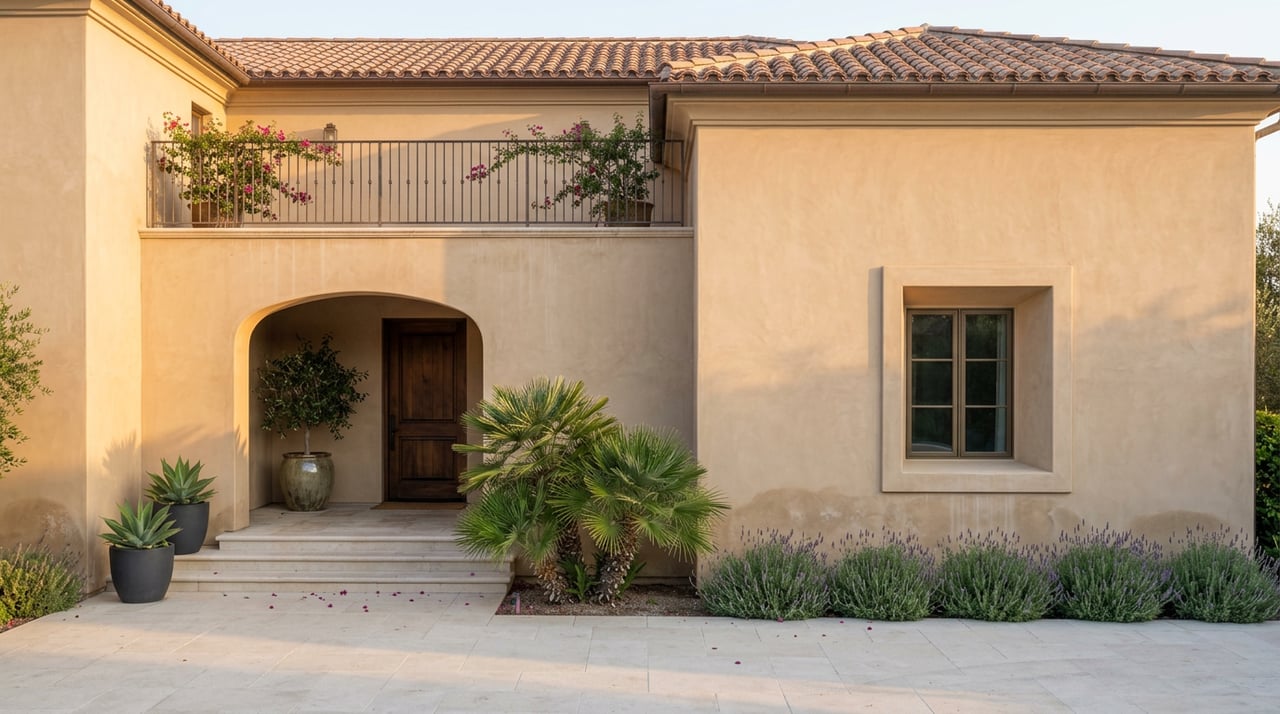
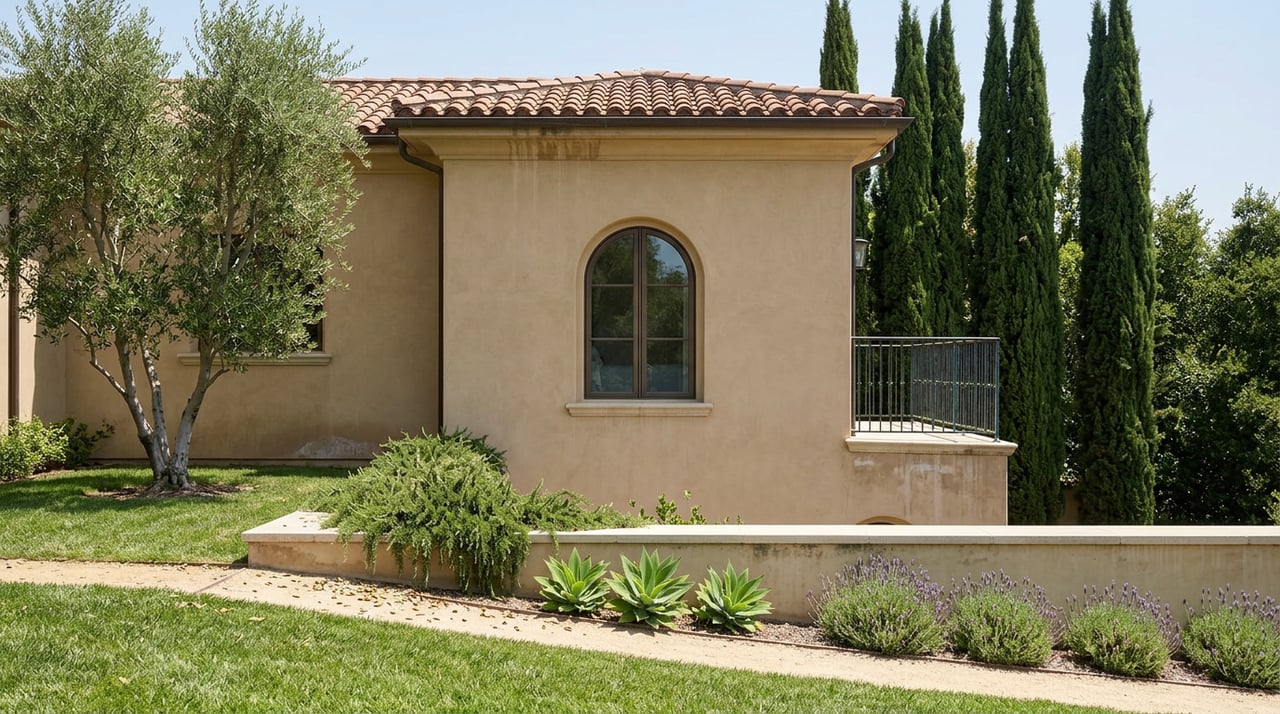
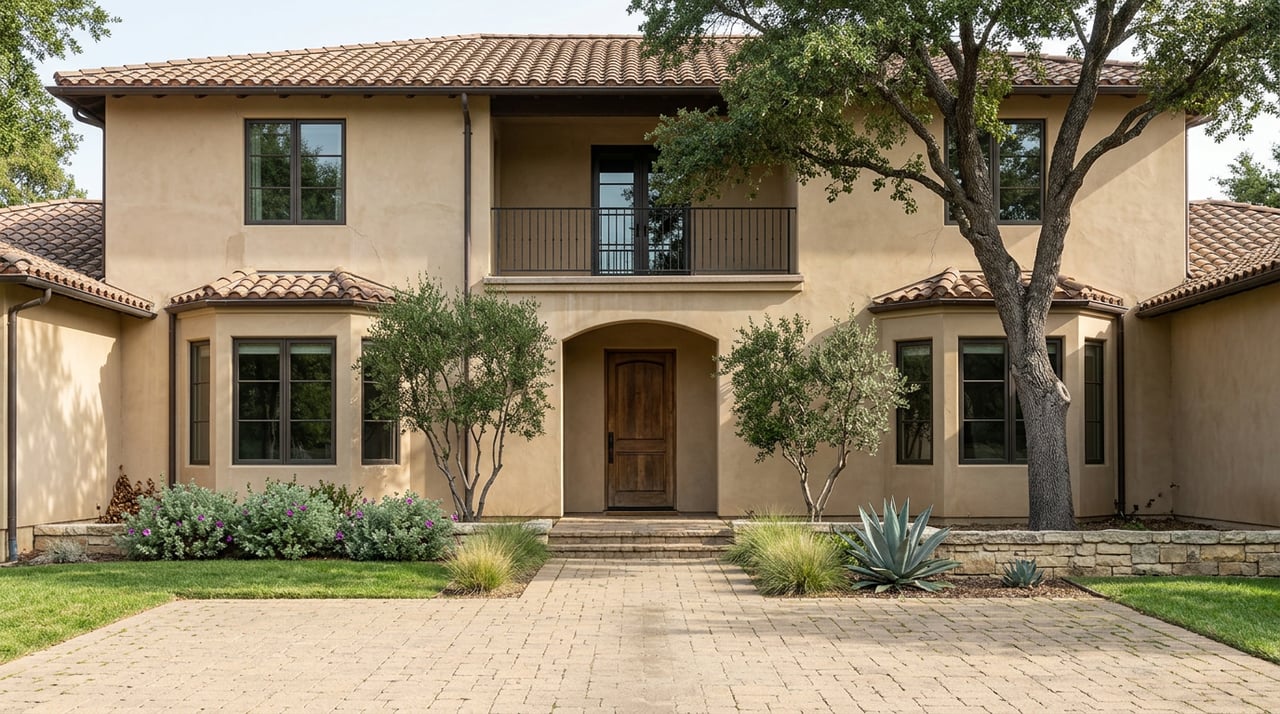
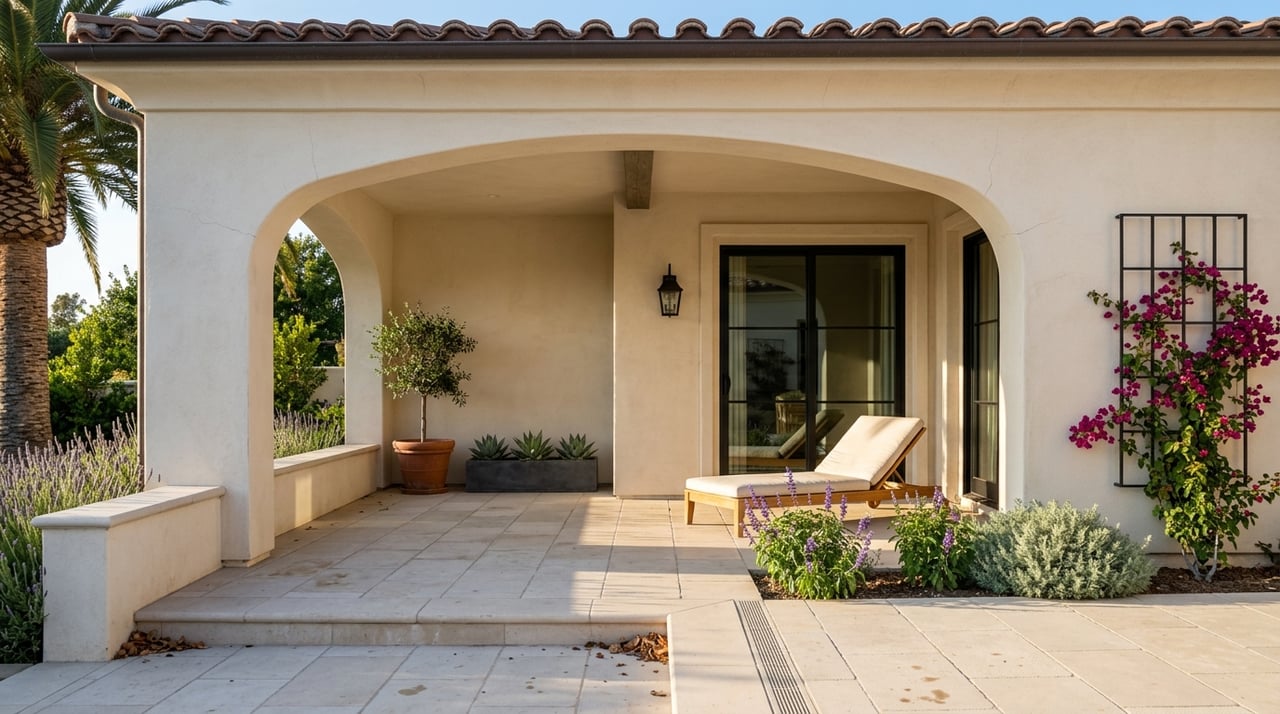
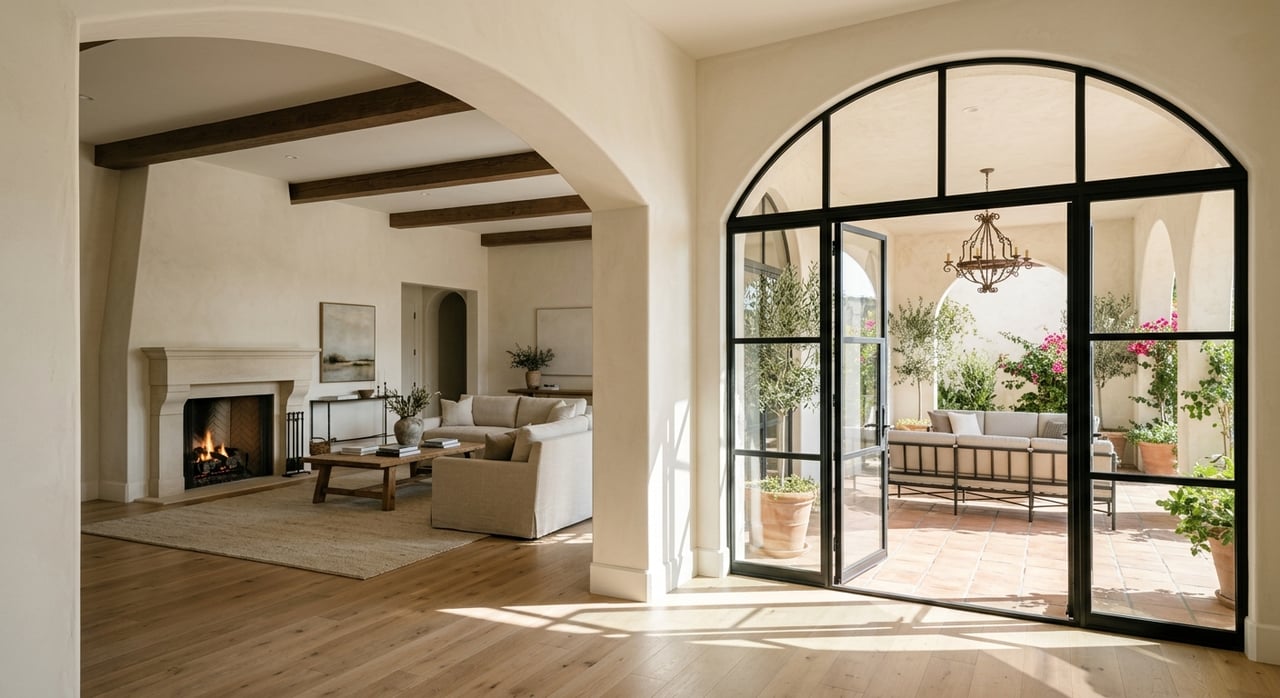
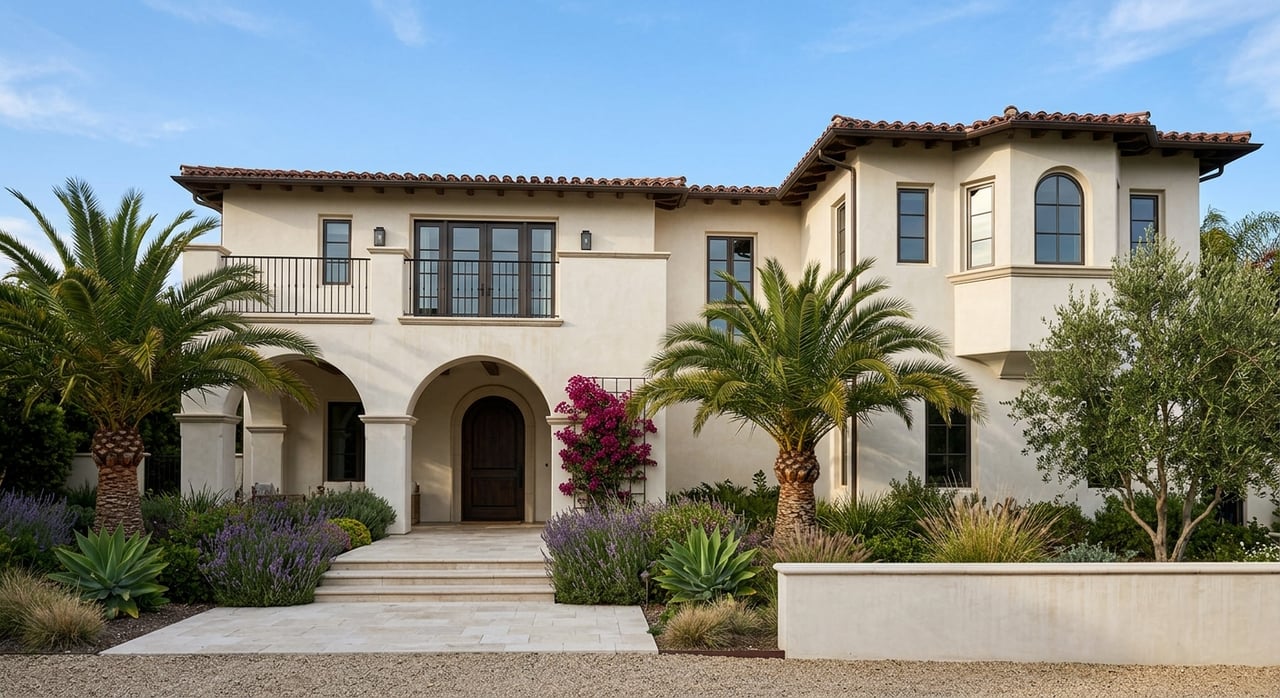
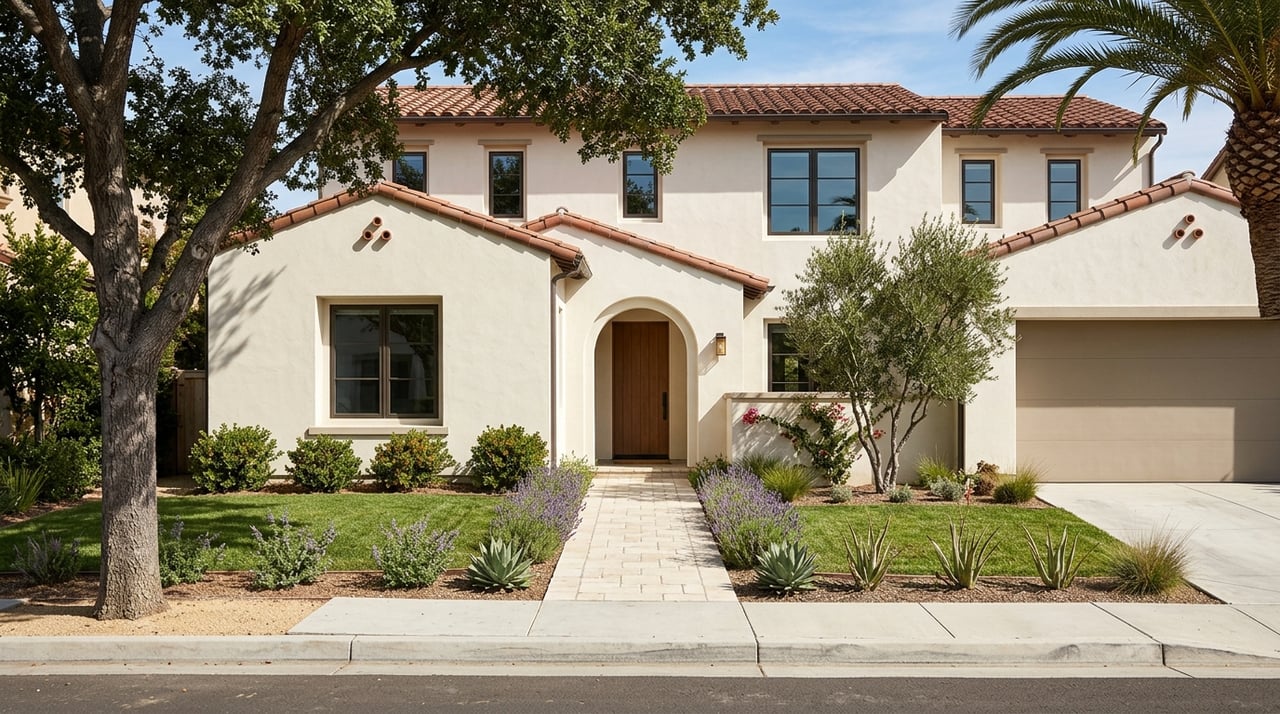
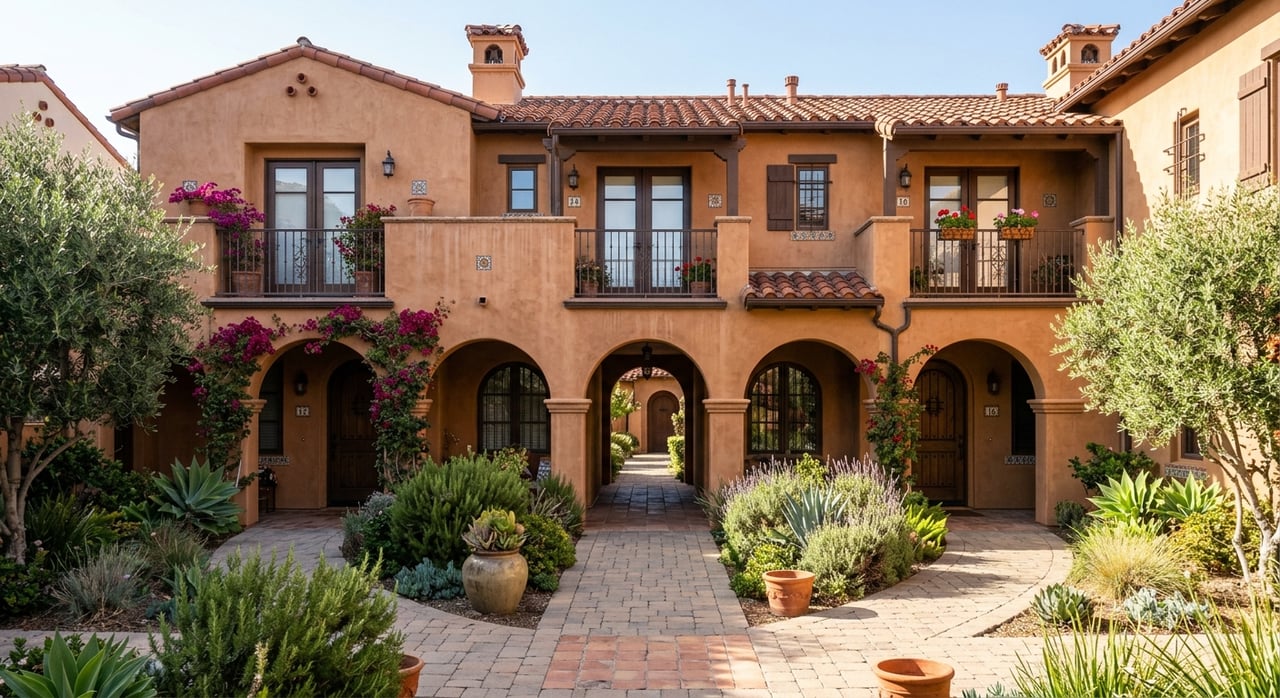
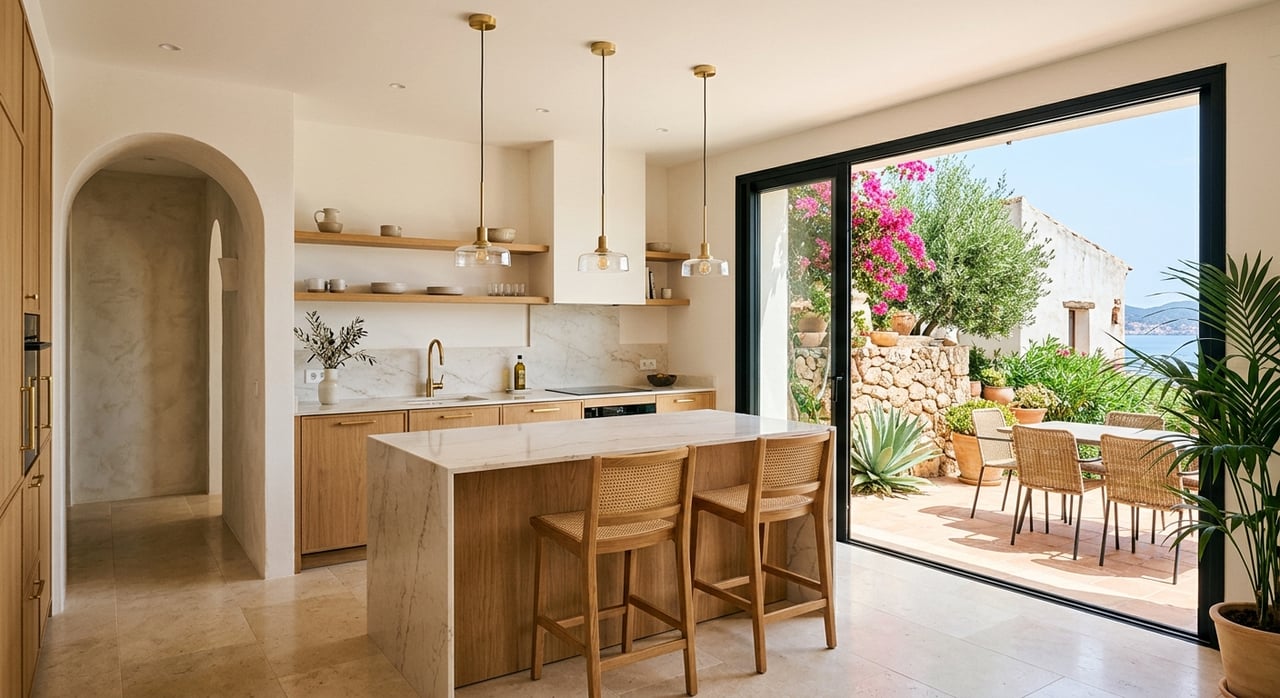
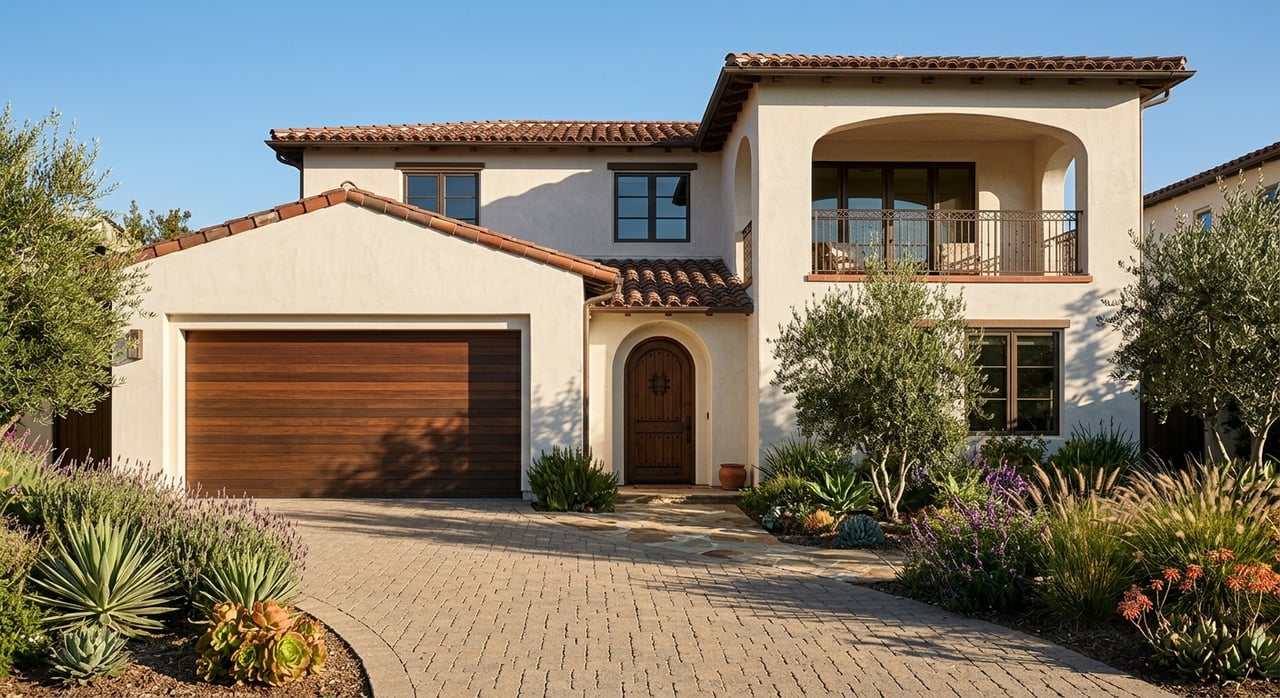
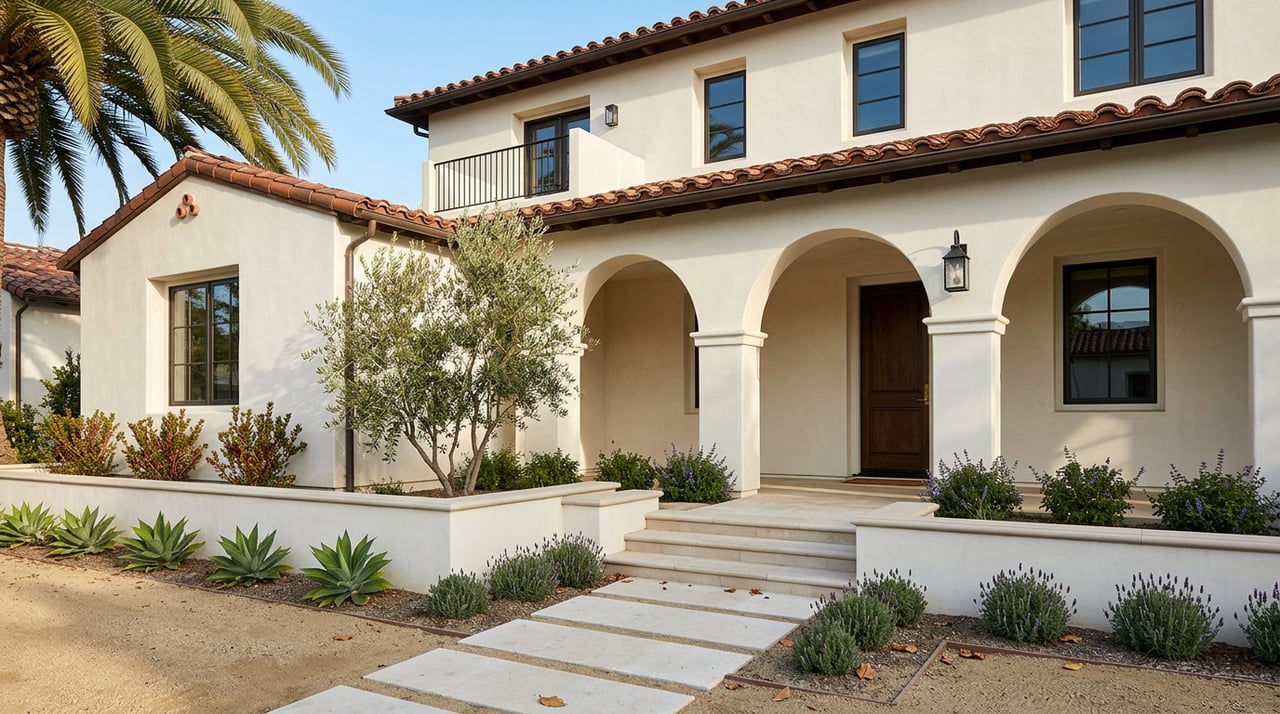
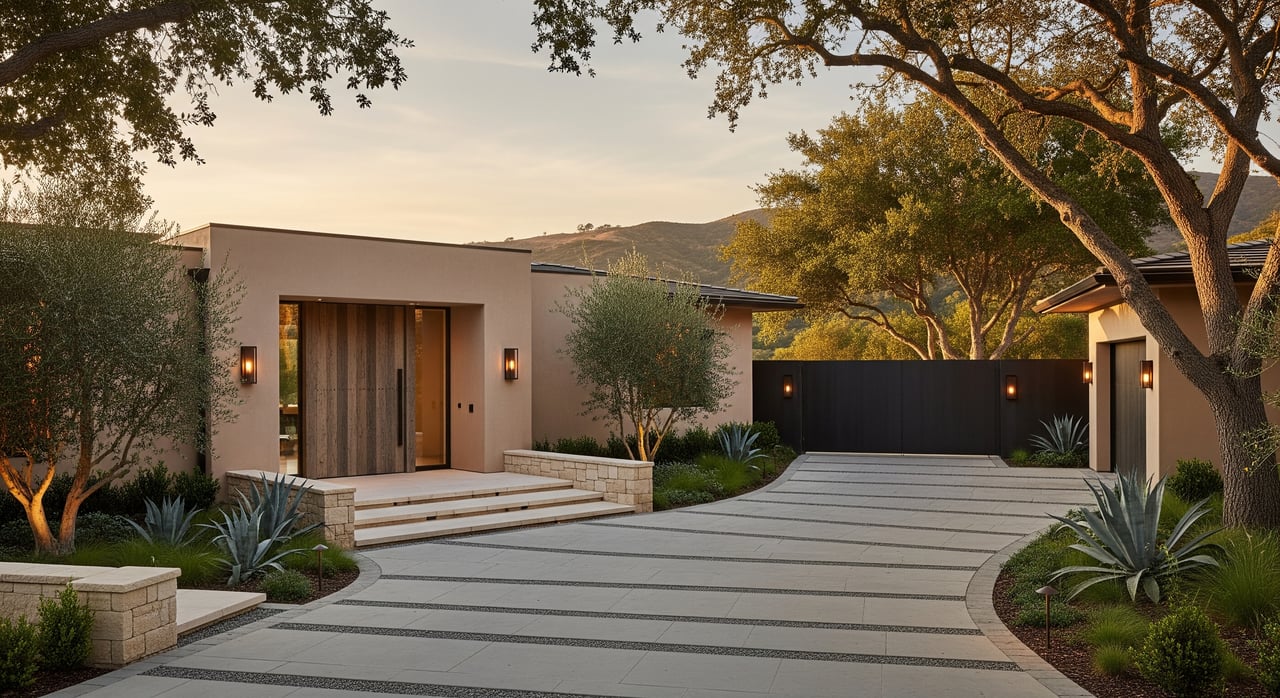
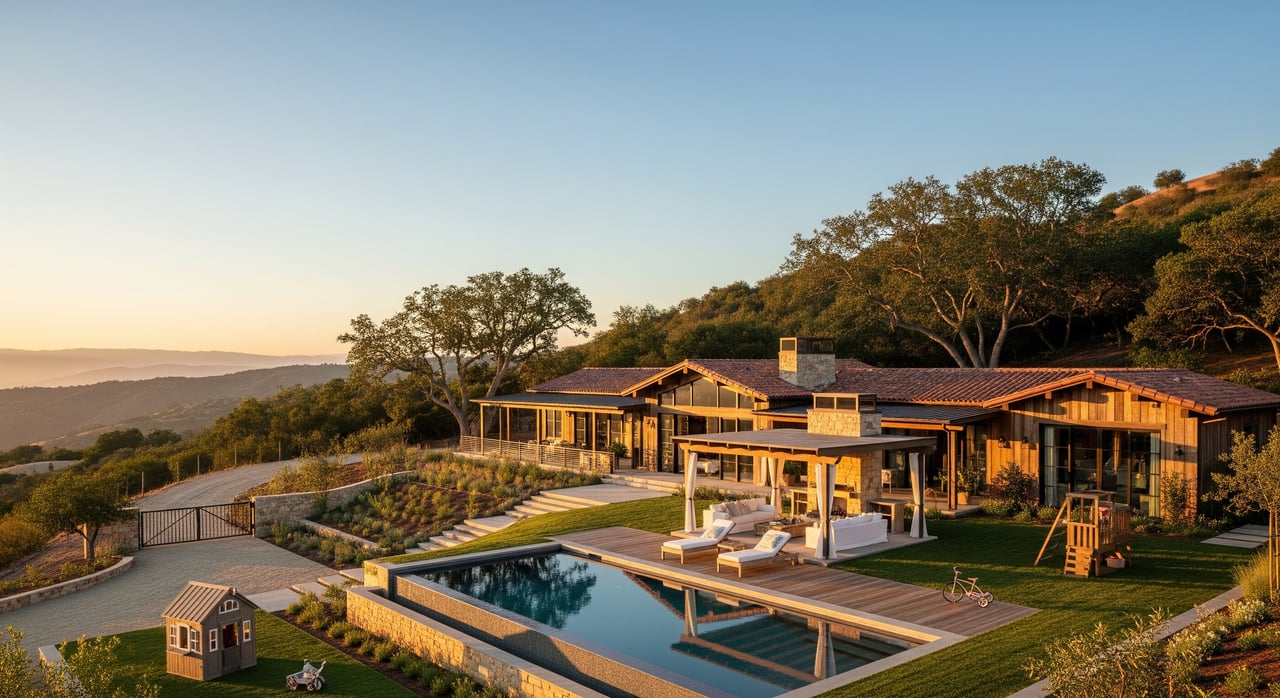
Housing in Calabasas leans toward single‑family homes on neighborhood streets and hillside cul‑de‑sacs. You will see everything from modest ranch homes to large custom properties with views. Many areas are gated, and some pockets offer equestrian or larger acreage. Closer to shops and services, you will also find condos and townhomes.
What to expect on pricing
This is a high‑cost market for Los Angeles County. Median single‑family prices are typically well into seven figures in most neighborhoods. Condos and townhomes are more affordable but still trend above regional averages. Pricing varies by source and changes with market conditions. When you are ready, review current local MLS data and recent sales for the most accurate picture.
HOAs and ownership considerations
Many neighborhoods are governed by HOAs. It is important to review rules and dues, understand what the HOA maintains, and evaluate the reserve fund. Make sure you also check local hillside and view protections that may affect additions, landscaping, or future changes.
Budget planning tips
- Include property taxes, HOA dues, fire insurance, and landscaping in your monthly plan.
- Set aside a reserve for hardscape and hillside maintenance if your lot sits on a slope.
- If you are relocating, factor in moving costs and any school or childcare deposits.
Commute and getting around
Calabasas is car‑oriented. There is no Metro rail station in the city, and most households rely on personal vehicles. Regional buses and a few commuter and school shuttles serve parts of the area, and many parents use flexible hours or remote work to reduce drive time.
Common routes include US‑101, CA‑27 through Topanga Canyon, and I‑405 to reach studios, the Westside, and central LA. Commute times vary with traffic. Plan for 30 to 60 plus minutes to major job centers during peak hours, with longer times on some days.
Community character, safety, and environment
Vibe and civic life
The community feels suburban, family‑oriented, and privacy‑focused. You will notice high homeownership, stable neighborhoods, and active local engagement around parks, schools, and development. It is generally quieter than denser parts of LA, especially away from the US‑101 corridor.
Public safety snapshot
Calabasas generally reports lower violent and property crime rates than many parts of Los Angeles County. The city is served by the Los Angeles County Sheriff’s Department through a contract, along with local community programs and emergency preparedness efforts. As in any city, crime can vary by location and over time, so it is wise to review current reports when you are comparing neighborhoods.
Wildfire and wildlife awareness
Living near wildlands brings both beauty and responsibility. Calabasas faces seasonal wildfire risk, with occasional evacuations and smoke events. The city and county promote defensible space, evacuation routes, and emergency alerts, which families should review when they move in. Hillside areas can also see mudflows after heavy rain, especially following fires. Wildlife sightings, including mountain lions in the broader Santa Monica Mountains region, are part of the local environment, so many residents follow basic safety practices for children and pets.
How Calabasas compares nearby
Woodland Hills
Woodland Hills sits just to the east and tends to offer more varied housing at lower prices on average. It has larger retail centers and a more urban feel in parts, though it lacks some of the secluded hillside character of Calabasas. Families who prioritize price and convenience often include Woodland Hills in their search.
Agoura Hills
Agoura Hills shares the suburban, outdoors‑oriented lifestyle with trail access and a small‑town feel. It can be slightly less expensive while offering similar amenities. Many families compare Agoura and Calabasas back to back before deciding.
Westlake Village and Thousand Oaks
These Conejo Valley cities are also suburban and amenity‑rich. Westlake Village has a planned feel with a private lake community, and Thousand Oaks is larger with a wide range of neighborhoods. Both appeal to families seeking strong schools and quieter streets, often with commutes oriented toward Ventura County or the Westside.
Malibu
Malibu offers a very different lifestyle focused on the coast. It carries higher home prices in many areas and longer inland commutes. For families who prioritize the beach and a more rural coastal setting, Malibu is attractive, but it is not a direct substitute for suburban Calabasas.
Is Calabasas a fit for your family?
Choose Calabasas if you value suburban calm, access to trails and open space, and a school system that performs well compared with statewide averages. Expect a premium for privacy and hillside living, and plan your commute strategy early. If you prefer a broader mix of housing types at lower price points or shorter drives to central LA, you might compare nearby communities like Woodland Hills or Thousand Oaks.
If you want a local guide to match your wish list with the right neighborhood and school boundaries, reach out to Terilynn Medrano. You will get concierge‑level support, clear next steps, and a plan that fits your family’s timeline.
FAQs
What is daily life like for families in Calabasas?
- Think quiet streets, quick access to parks and trails, errands at The Commons, and an active calendar of youth sports, city programs, and family events.
How are public schools in Calabasas?
- Las Virgenes Unified schools generally perform above statewide averages, with strong arts and sports; school assignment depends on your address, so confirm boundaries.
What are typical commute times from Calabasas?
- Plan for 30 to 60 plus minutes to major LA job centers during peak hours, using US‑101 and connecting routes, with longer times possible in heavy traffic.
What environmental risks should families plan for in Calabasas?
- Seasonal wildfire risk, potential smoke events, and post‑storm mudflows in hillside areas; families review defensible space rules and local evacuation routes.
How does Calabasas compare to Woodland Hills for families?
- Woodland Hills offers more varied, often more affordable housing and larger retail hubs, while Calabasas emphasizes privacy, open space, and a more secluded feel.
What types of homes are common and what do they cost?
- Mostly single‑family houses, many in gated areas, plus condos and townhomes; single‑family prices are typically well into seven figures, with condos above regional averages.