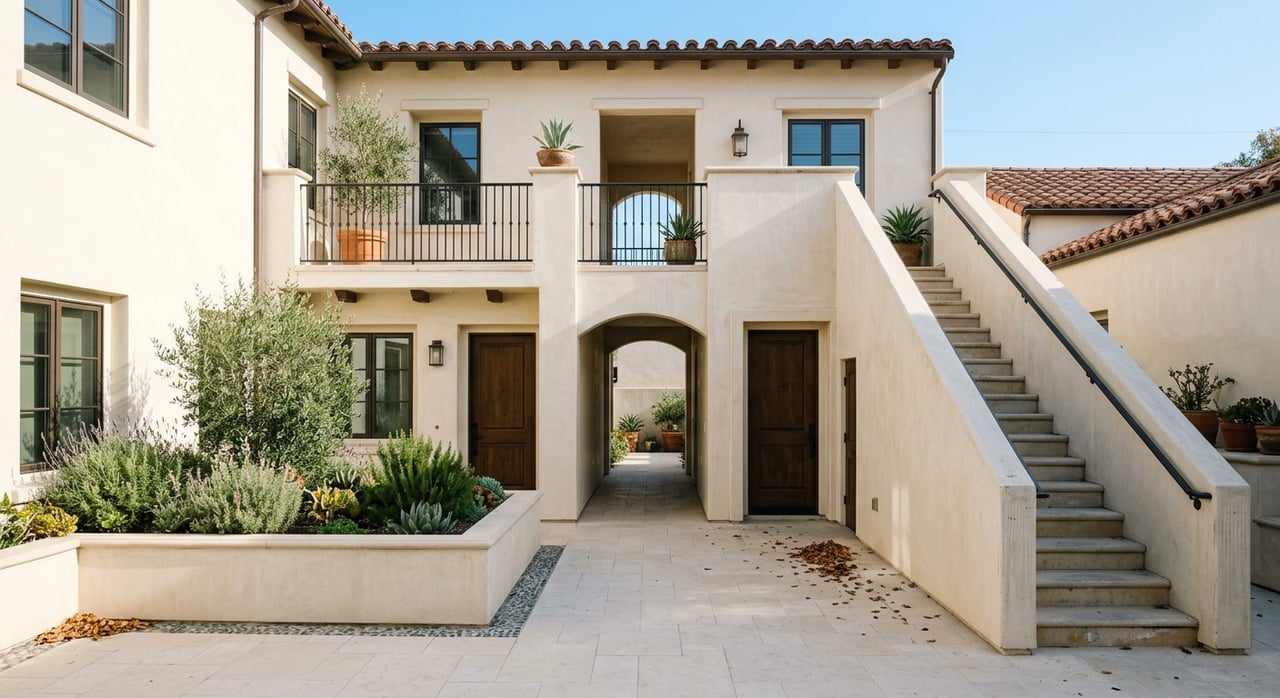
Are you trying to decide whether a condo or a house makes more sense in Thousand Oaks? You are not alone. With a big price gap between condos and detached homes, plus a lifestyle that often centers on trails, open space, and driving between errands, this choice can shape both your monthly budget and your day-to-day routine. This guide will help you compare cost, upkeep, location, and flexibility so you can choose with more confidence. Let’s dive in.
Why This Choice Matters in Thousand Oaks
Thousand Oaks offers a very specific kind of lifestyle. The city describes itself as one of Ventura County’s greenest cities, and local open space resources note more than 15,000 acres of protected open space and over 150 miles of trails. If you enjoy outdoor access, where you live inside the city can matter just as much as what you buy.
At the same time, Thousand Oaks is not a highly walkable market overall. Redfin gives the city a Walk Score of 33, which means many buyers still rely on a car for errands and daily routines. That makes location, parking, and convenience especially important when you compare a centrally located condo with a detached home in a larger-lot neighborhood.
Price is another big factor. As of spring 2026, Redfin shows a median sale price of about $1.1 million in Thousand Oaks, while its condo page shows a median listing price around $577,000. For many buyers, that spread is exactly why the condo-versus-house question comes up so often.
Condo vs House: The Core Difference
A condo usually offers a lower-maintenance ownership experience. In a condo, owners collectively own common areas, and monthly HOA fees typically help cover shared expenses such as exterior maintenance, common-area upkeep, and in some cases water, sewer, trash, insurance, or reserves. Under California Civil Code 4775, common-area maintenance generally falls to the association and separate-interest maintenance generally falls to the owner unless the governing documents say otherwise.
A detached house gives you more control over the property itself. You may have more flexibility around yard use, storage, parking, pets, and future remodeling. The tradeoff is simple: more control usually comes with more responsibility.
In Thousand Oaks, that difference can feel especially practical. Some buyers want a lock-and-leave setup that feels simple and manageable. Others want the independence, privacy, and long-term flexibility that often come with a detached home.
Comparing the Monthly Cost
It is easy to focus on purchase price alone, but your total monthly cost matters more. A condo may come with a lower entry price, but you also need to account for the HOA fee. A detached home may not have that same type of fee, but you may carry more of the maintenance and insurance costs yourself.
Local listings show how wide that range can be. A Camelot condo in downtown Thousand Oaks has been listed at $499,000 for 3 bedrooms and 2 baths. An Oaknoll Villas condo has been listed at $469,000 for 2 bedrooms and 2 baths with a $600 monthly HOA, and that listing says the fee includes trash and internet.
By comparison, recent single-family examples have included a Central Thousand Oaks house estimated near $985,884, another recent sale at $1.377 million, and an acre-plus property estimated at $1.709 million. Those examples line up with the broader city median of about $1.1 million. In other words, your starting price point can look very different depending on which property type you choose.
What to Compare in Your Budget
When you run the numbers, compare the full monthly picture instead of the sticker price.
- Mortgage payment
- Property taxes
- Homeowners insurance
- HOA dues, if applicable
- Expected maintenance costs
- Utilities or services covered by the HOA
- Any likely future repair or reserve-related costs
Fannie Mae notes that condo insurance is often less expensive than insurance for a single-family home. Still, the HOA fee is a real recurring cost, and part of that fee may be supporting reserves or association insurance. A lower-priced condo does not always mean a lower monthly carrying cost once everything is added together.
Lifestyle Questions to Ask Yourself
The right choice often comes down to how you want to live, not just what you can afford. Thousand Oaks offers a strong suburban-outdoor feel, so it helps to think about your routines now and a few years from now.
If you like simpler upkeep and shared amenities, a condo may fit your lifestyle better. If you want more private outdoor space and greater control over the property, a house may be the stronger match.
A Condo May Be the Better Fit If You Want
- Lower exterior maintenance responsibility
- Shared amenities like a pool, gym, clubhouse, or dog park
- A more central location
- A lock-and-leave setup for travel or a busy schedule
- A lower entry price than many detached homes in Thousand Oaks
A House May Be the Better Fit If You Want
- More autonomy over the lot and exterior
- More storage or parking flexibility
- More privacy
- Greater freedom for future remodeling
- Yard space or a more traditional suburban home setup
How Local Examples Bring the Choice to Life
A downtown condo community like Camelot shows what condo living can look like in Thousand Oaks. The community says it has 180 condominium units with 1-, 2-, and 3-bedroom layouts and was built in 1985. A setting like that often appeals to buyers who value central access and shared amenities more than a large yard.
Oaknoll Villas presents a different condo profile. Redfin describes it as a 55+ community with mountain views and amenities that include a pool, spa, clubhouse, fitness gym, library, and dog park in at least one current listing description. For downsizers who want low-maintenance living and built-in amenities, that kind of setup can be very appealing.
On the detached-home side, Lynn Ranch is described by its association as a neighborhood of about 650 homes with a rural feel and open spaces. Dos Vientos Ranch West is described as a master-planned community with open space, parks, twin ponds, and miles of walking, biking, and equestrian trails. These examples help show how a house purchase may line up with buyers who prioritize space, privacy, and a more house-centered lifestyle.
Why HOA Review Is So Important
If you are leaning toward a condo, the HOA review deserves serious attention. In California, HOAs are governed by the Davis-Stirling Common Interest Development Act. The California Attorney General says this framework covers areas such as board elections, finances, maintenance responsibilities, and dispute resolution.
For a resale transaction, California Civil Code 4525 requires the seller to provide governing documents and related disclosures. Civil Code 5300 requires the annual budget report to include a reserve-funding disclosure summary. Boards also must complete reserve planning inspections under Civil Code 5550, and certain exterior elevated elements have separate inspection rules under Civil Code 5551.
That may sound technical, but the takeaway is practical. You are not just buying the unit. You are also buying into the financial health, maintenance planning, and rules of the community.
Documents to Review Before You Commit
If you are considering a Thousand Oaks condo, make time to review:
- CC&Rs
- Bylaws
- HOA rules and regulations
- Annual budget
- Reserve information
- Insurance information
- Special assessment history
- Parking rules
- Limits on unit changes or remodeling
These details can affect both your monthly cost and your future flexibility. A beautiful unit can still be the wrong fit if the HOA rules, reserves, or financial condition do not support your goals.
Financing Can Be Different for Condos
Lender review is another reason to slow down and compare carefully. Fannie Mae says condo lenders may review the project’s physical condition, financial stability, outstanding debts or lawsuits, required inspections, and whether the unit is considered warrantable.
That means a condo purchase is not only about your own loan approval. The project itself may also face review. In practical terms, this is why buyers should look beyond finishes and ask how the association is run, what reserves look like, and whether there have been recent or recurring issues.
A house purchase can feel more straightforward in this area because you are usually not relying on project-level HOA review in the same way. That does not make one option better than the other, but it does make the condo due diligence process especially important.
A Simple Way to Make the Decision
If you are stuck between the two, try narrowing your decision around three questions.
1. What monthly payment feels comfortable?
Start with the full monthly carrying cost, not just the price tag. Include HOA dues for condos and realistic maintenance and insurance costs for houses.
2. How much upkeep do you want?
Be honest about your time, energy, and interest in property maintenance. Some buyers love the independence of a detached home, while others would rather hand off exterior upkeep through an HOA structure.
3. What kind of flexibility matters most?
Think about parking, storage, future updates, pet rules, and outdoor space. Your answer can quickly point you toward the ownership style that fits your life best.
Final Thoughts on Choosing in Thousand Oaks
In Thousand Oaks, the condo-versus-house decision usually comes down to lifestyle and monthly carrying cost more than square footage alone. A condo may offer a more affordable entry point, lower exterior maintenance, and shared amenities in a central setting. A detached home may offer more autonomy, more outdoor space, and more long-term flexibility, but often at a higher cost of entry and upkeep.
If you want help comparing specific communities, reviewing the real monthly numbers, or weighing your next move in Thousand Oaks, Terilynn Medrano can guide you with local insight and concierge-level support.
FAQs
Is a condo cheaper than a house in Thousand Oaks?
- Often, yes. As of spring 2026, Redfin shows a Thousand Oaks median sale price around $1.1 million, while its condo page shows a median listing price around $577,000. Your total monthly cost still depends on factors like HOA dues, insurance, and maintenance.
What should I review before buying a condo in Thousand Oaks?
- Review the HOA governing documents, budget, reserve information, insurance details, rules, special assessment history, parking rules, and any limits on property changes.
Do HOA fees in Thousand Oaks condos cover maintenance?
- They often cover shared or exterior items, but coverage varies by community. California Civil Code 4775 generally places common-area maintenance on the association and separate-interest maintenance on the owner unless the governing documents say otherwise.
Are detached homes in Thousand Oaks better for privacy and space?
- They can be, especially if you want more control over the lot, more storage or parking flexibility, and yard space. The tradeoff is that you usually take on more maintenance responsibility.
Does location matter more for condos or houses in Thousand Oaks?
- It matters for both, but it is especially important in a city with a Walk Score of 33. A centrally located condo may offer easier access to errands and amenities, while a detached home may offer more space in a different setting.
Are condo loans different from house loans in Thousand Oaks?
- They can be. Condo lenders may review the project’s physical condition, financial stability, inspection requirements, legal issues, and whether the project meets lending guidelines, not just your personal finances.