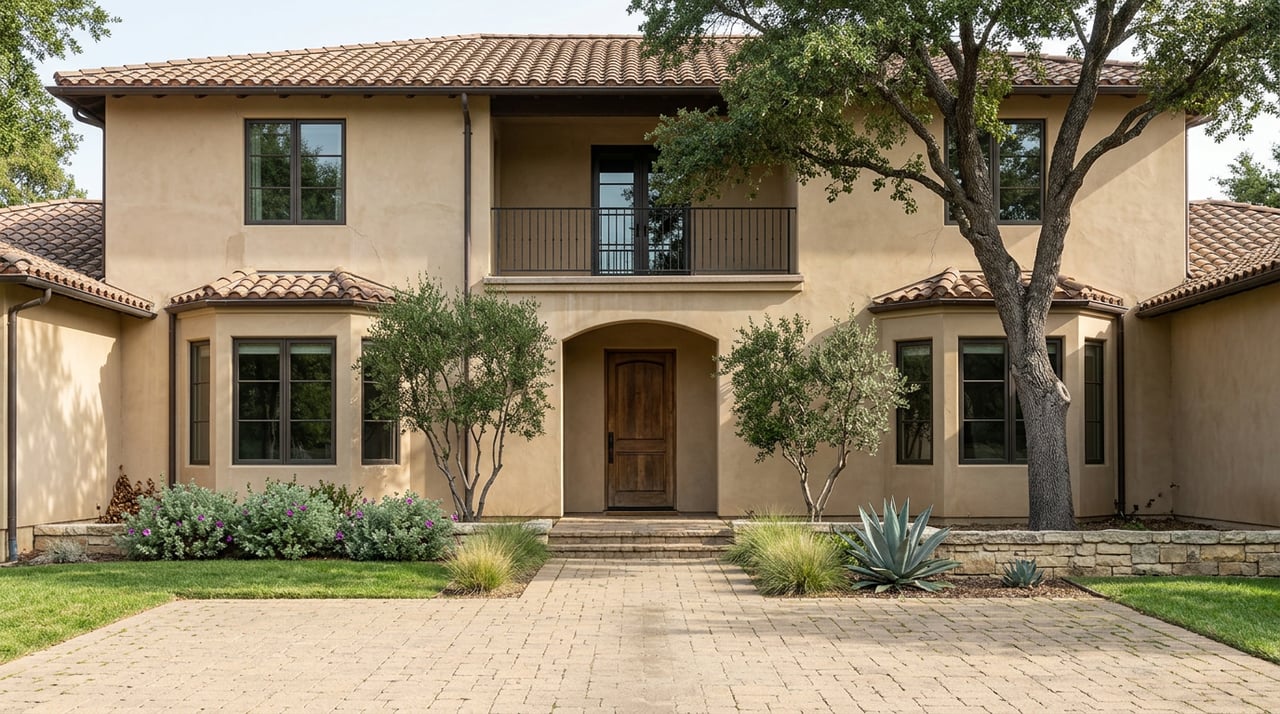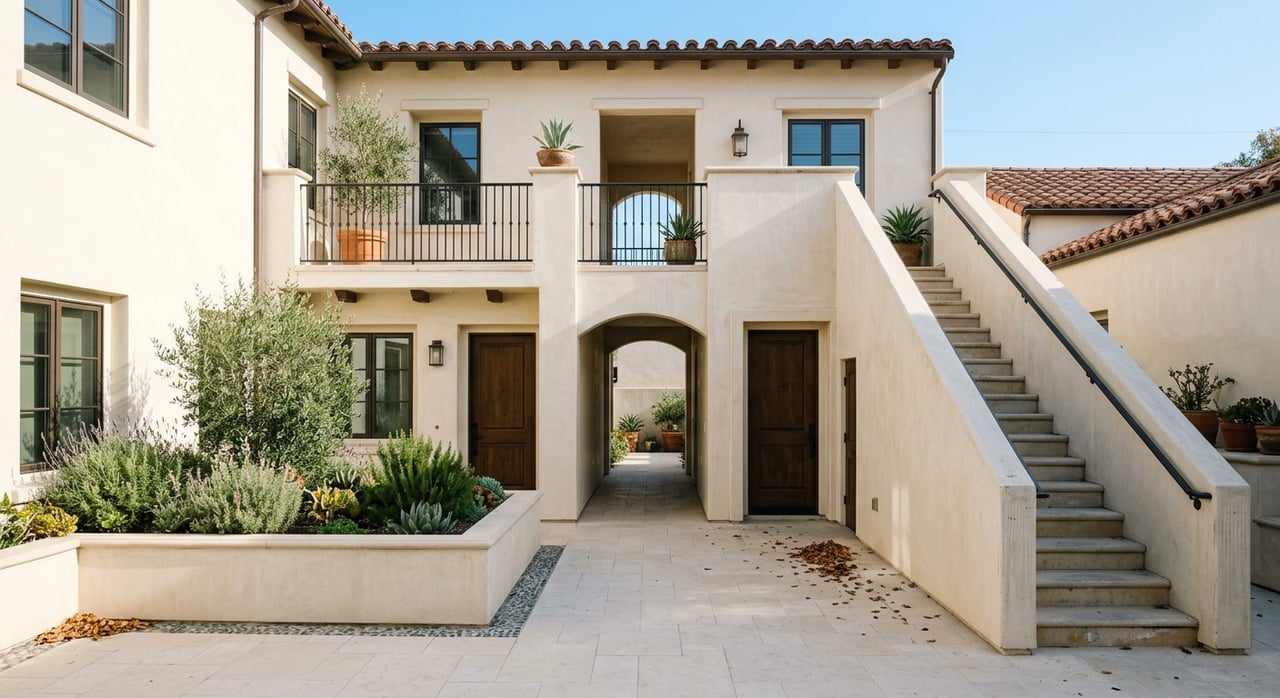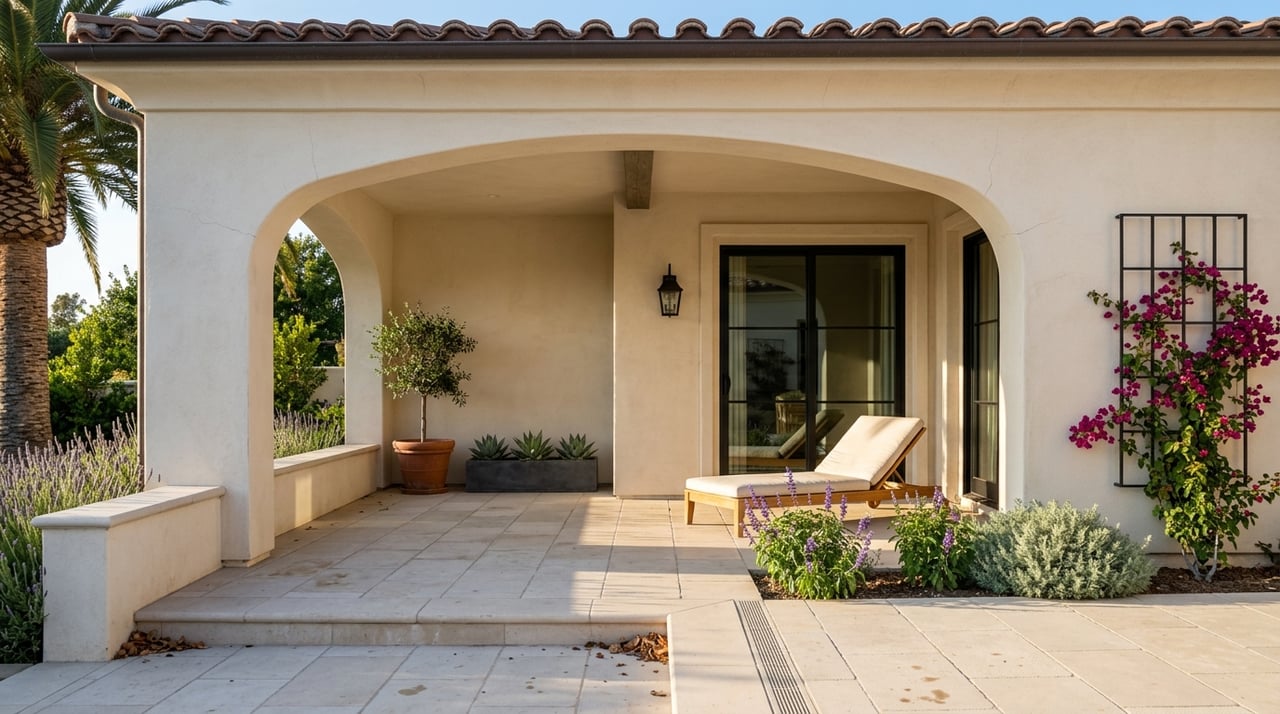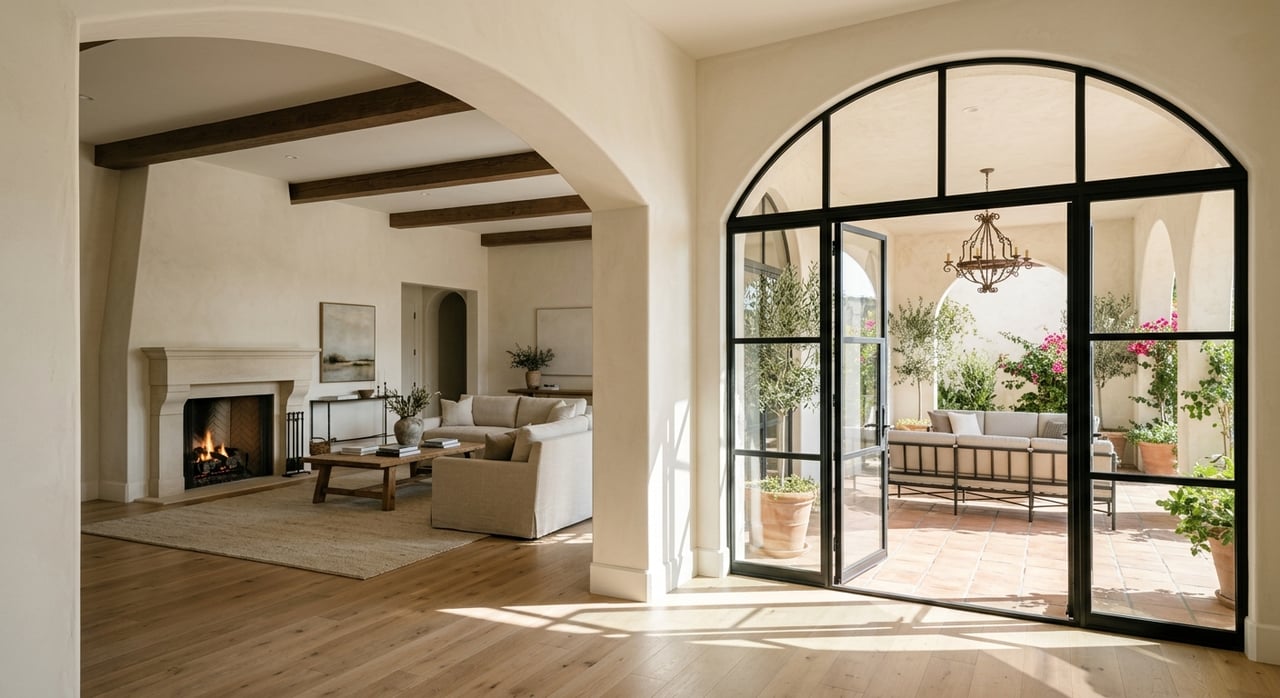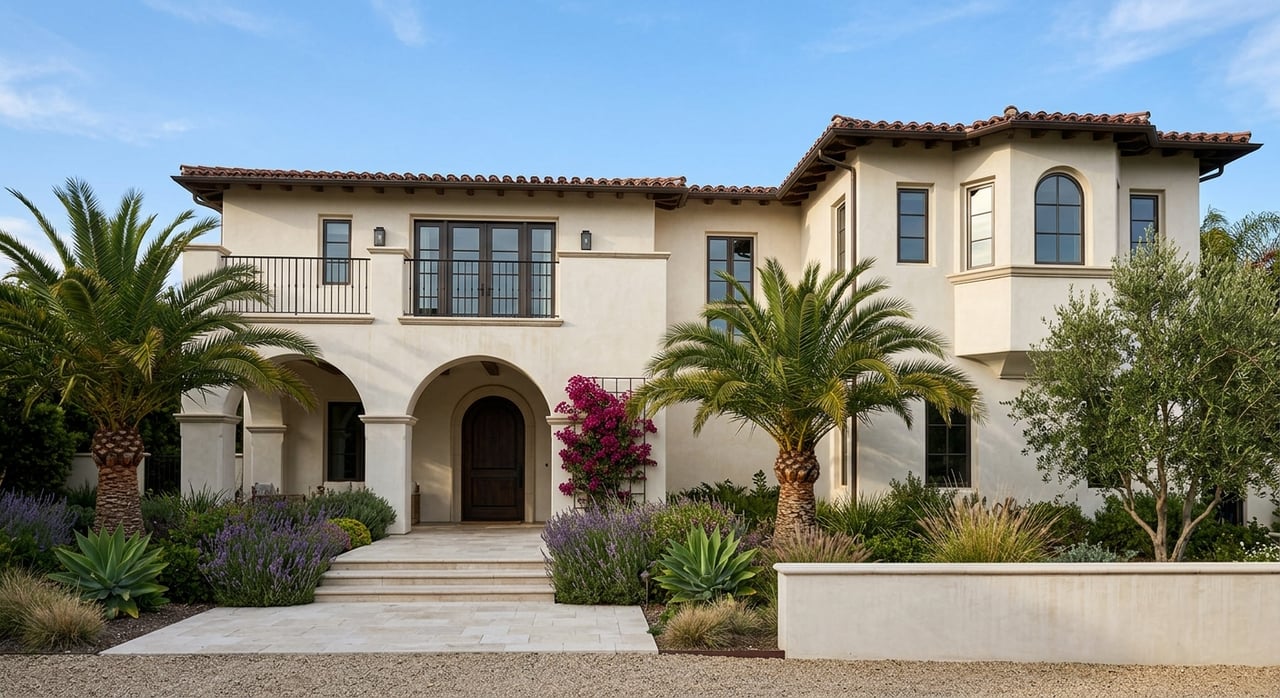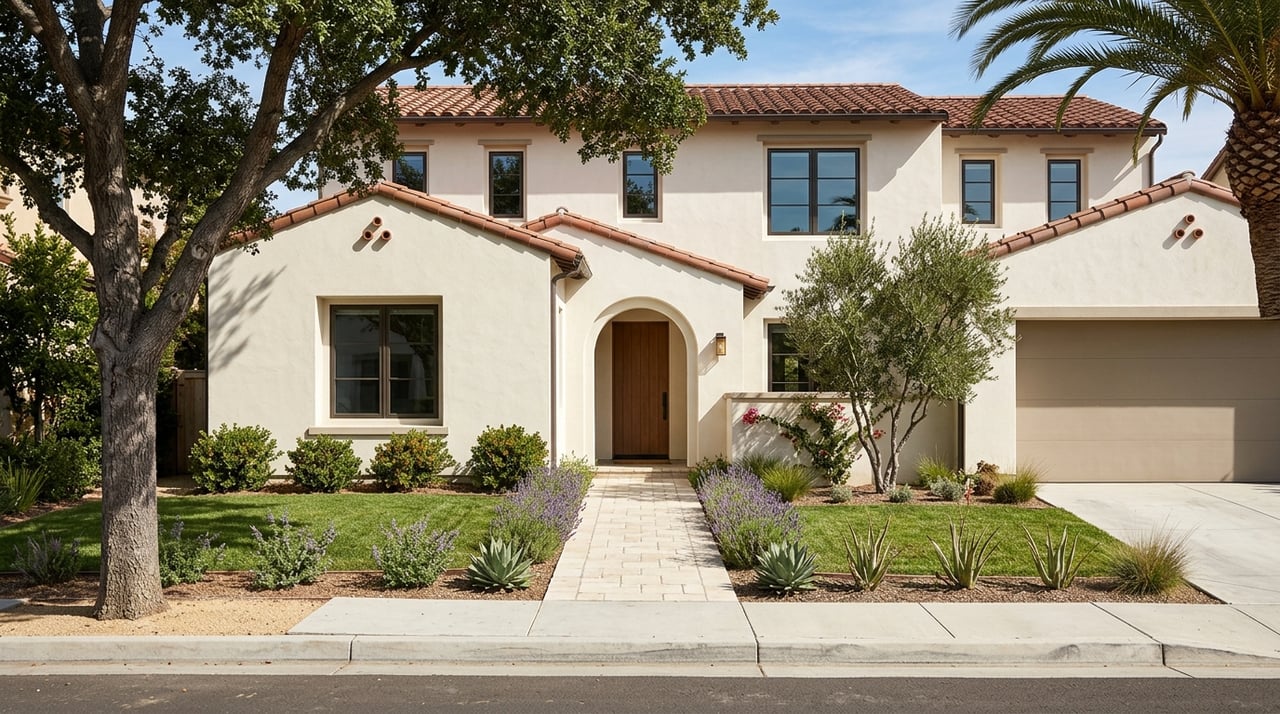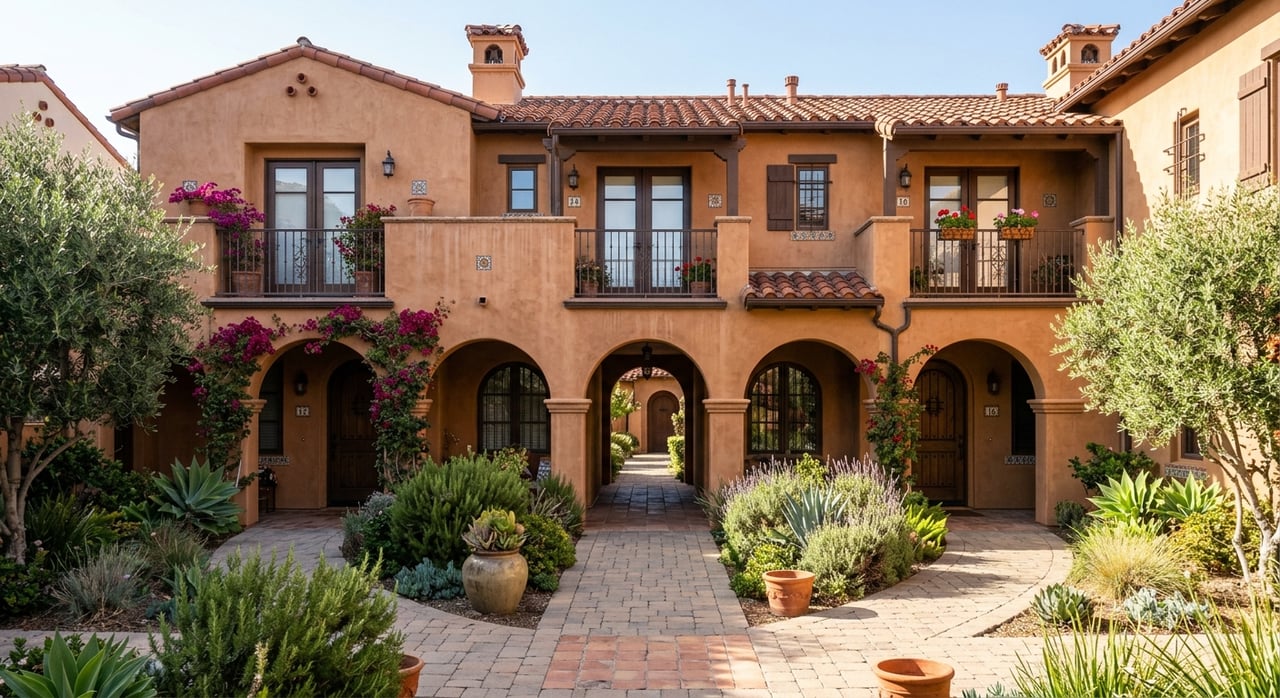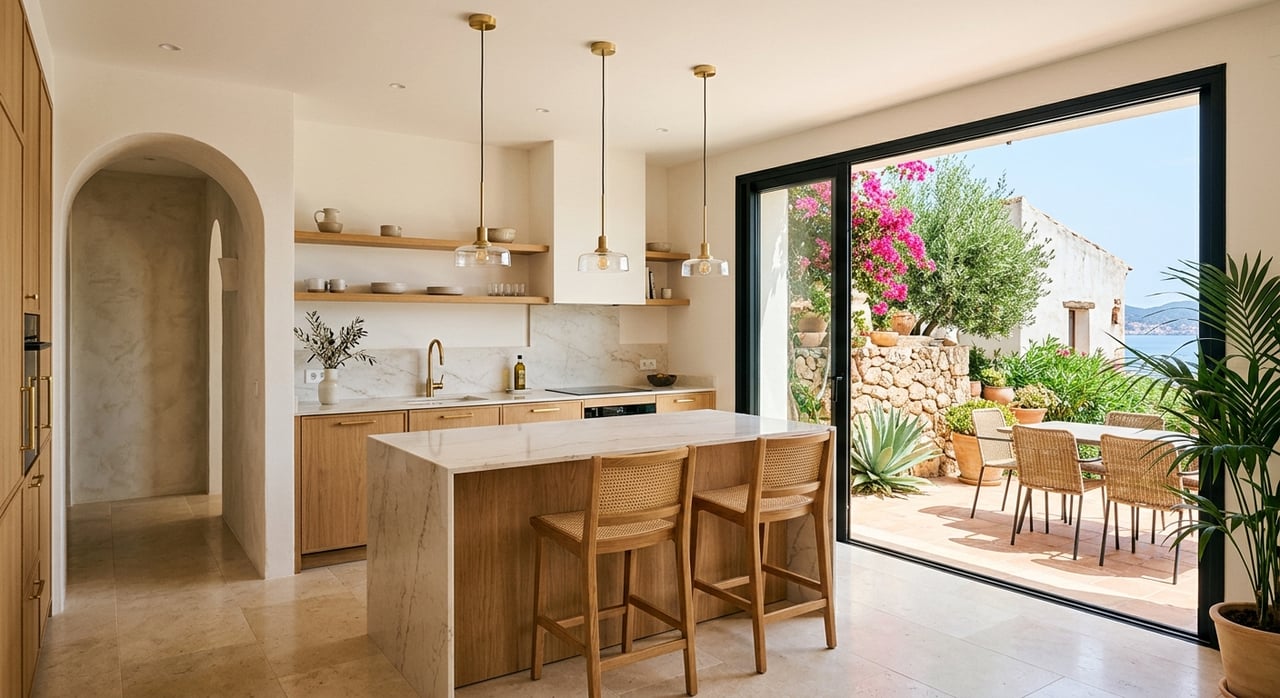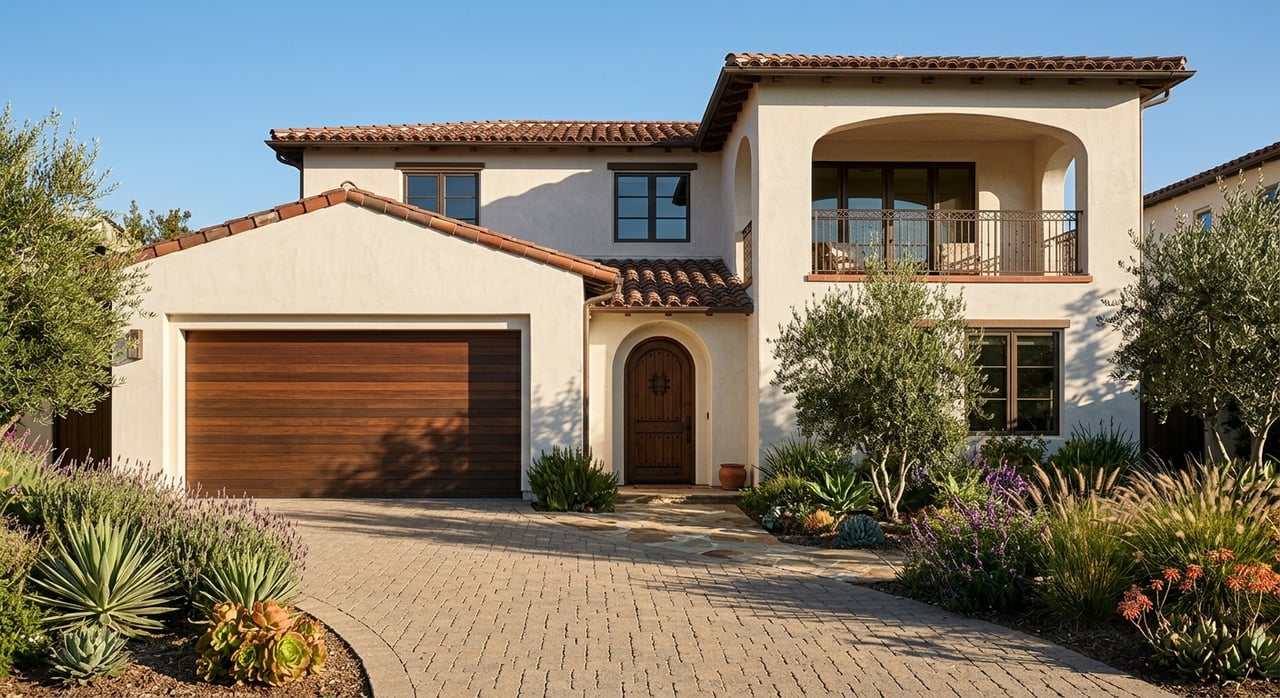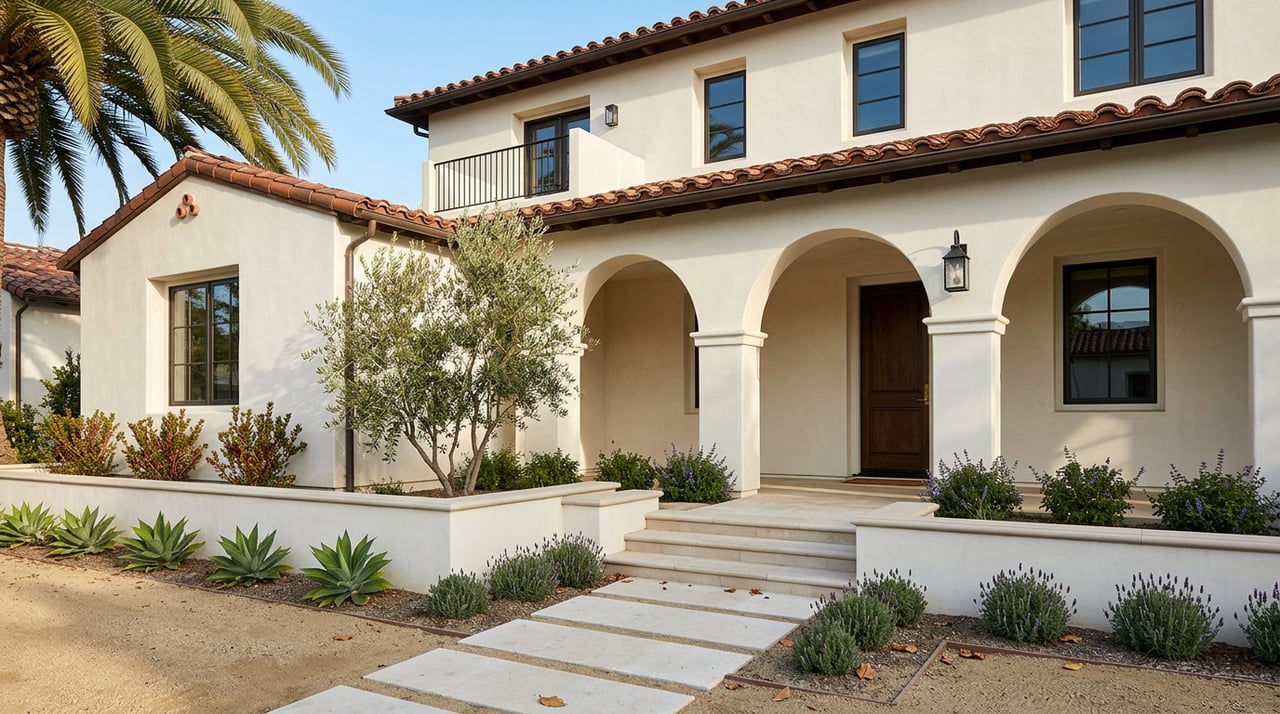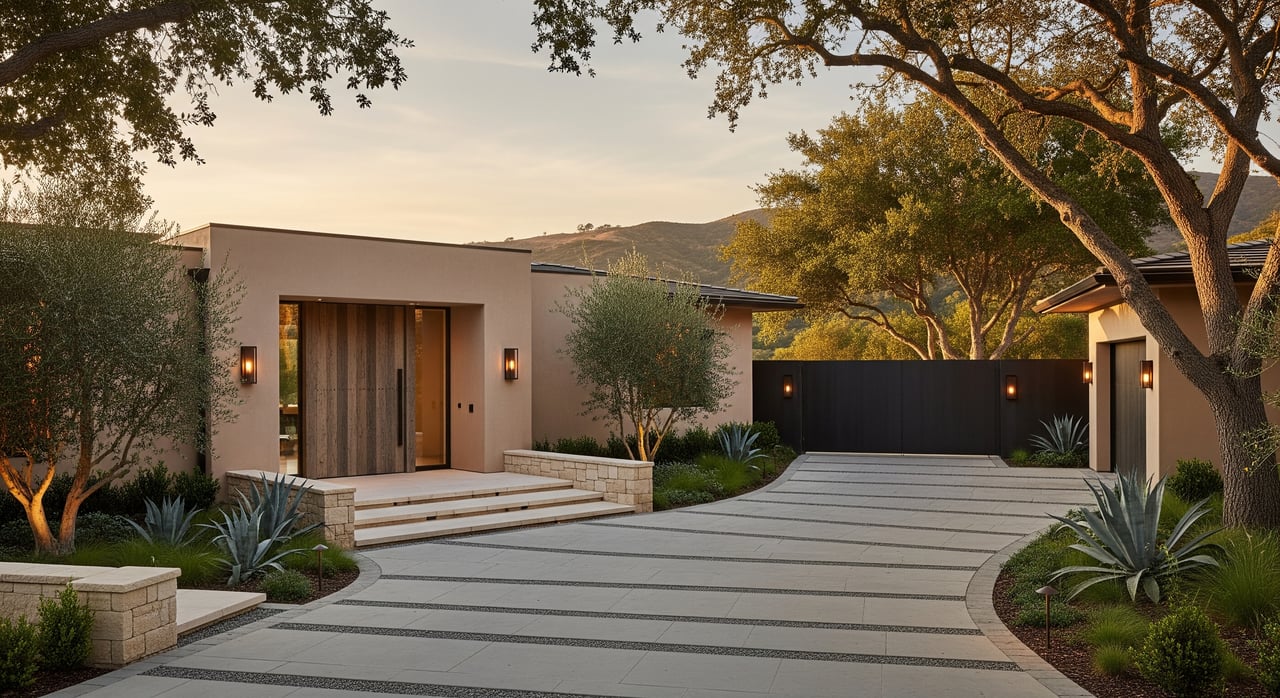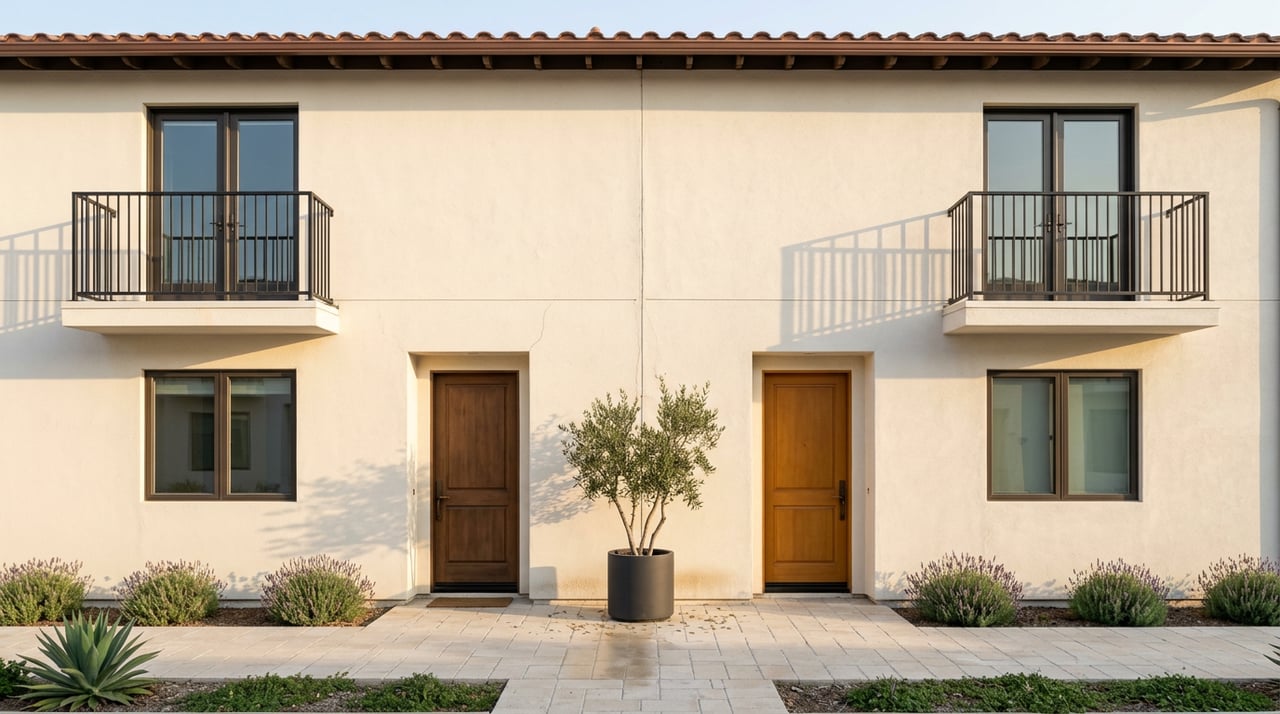
Picture two Oak Park townhomes priced within a few thousand dollars of each other. One sits in Canyon Cove, where current listings show HOA dues around $269 a month. The other sits in Country Vista, where recent listings run $646 to $771 a month. Same town, same school district, similar price tag on paper, and a gap of several hundred dollars a month in carrying cost that never shows up when you filter listings by price alone.
Run the actual monthly numbers, including what each HOA charges and what it covers, and the math between these two homes looks nothing like the list prices suggest.
This is the part the median-price search doesn't show you. Oak Park's overall housing numbers get reported as if the town were a single market. Realtor.com's June 2026 data put the median listing price at $899,000 with 64 active listings, a median of 50 days on market, and homes selling around 98% of list price. A month earlier, Realtor.com's May figures showed a median sold price of $1,250,000 against a median listing price closer to $949,000, while Zillow's May 31 snapshot pegged the average home value at $1,147,003. Three credible sources, three different numbers, because they're measuring slightly different things at slightly different moments. That's a useful reminder on its own: treat any single median as a starting point, not a verdict.
But the bigger gap isn't between data providers. It's between Oak Park's attached-home communities themselves, and it's a gap that never shows up in the median at all.
Oak Park Doesn't Have One Condo Market. It Has Seven.
Ventura County's own Oak Park Area Plan describes the community as the county's largest unincorporated area, built out by 2002, with its open spaces already dedicated as parkland. That built-out status matters here in a way it wouldn't in a growth corridor. There's no new construction pipeline about to add inventory or reset pricing. What exists today, across a handful of established townhome and condo tracts built mostly in the 1980s and 1990s, is what you're choosing among.
Those tracts have names, and the names matter more than most buyers realize before they start comparing HOA packages line by line: Shadow Ridge, Shadow Oaks, Country Vista, Country Village, Canyon Cove, Capri, and Country Highlands. Each one carries its own dues structure, its own bundle of what those dues actually pay for, and its own reason buyers gravitate toward it.
| Community | Monthly HOA (current listings) | Location | What Makes It Different |
|---|---|---|---|
| Shadow Ridge | About $590–$595, though one blog cites a unit closer to $300 | Oak Bend Lane and Sutton Crest Trail | Dues commonly bundle trash, cable, and internet; some listings add earthquake insurance |
| Shadow Oaks | About $619 | Spanish Oak Lane | Strictly townhomes, with dual primary suites in both available floor plans |
| Country Vista | $595 in an earlier profile, $646–$771 in more recent listings | Mixed locations within the tract | Blends attached townhomes with detached, bungalow-style units |
| Country Village | About $544 | Thistlegate Road | Some units include exterior water, trash, and roof maintenance in the dues |
| Canyon Cove | About $269 on a recent $715K listing | Symphony Lane and Rhapsody Drive | Dues include earthquake insurance, unusual at this price point |
| Capri | Not specified in the listings reviewed | Gondola Drive and La Rosa Drive | Two-story layout with clubhouse, tennis courts, and greenbelt access |
| Country Highlands | About $499 | Mixed locations within the tract | Homes typically share only a garage wall, giving a more detached feel |
Look at that spread. Canyon Cove's dues run roughly $269 a month. Country Vista's recent listings show dues as high as $771. That's a $500-a-month gap between two communities in the same town, feeding the same schools, built in roughly the same era.
Why the Gap Isn't Really About Value
A wider HOA fee doesn't automatically mean a worse deal, and a thin one doesn't automatically mean a better one. It means the two associations have made different decisions about what gets folded into the monthly bill versus what gets left to the homeowner.
Shadow Ridge is the clearest example. Multiple current listings describe dues that include trash pickup, cable, and internet service, and several go further and fold in earthquake insurance for the building itself, not just the homeowner's individual policy. Once you subtract what you'd otherwise pay separately for internet and cable, the effective cost of that HOA drops well below the sticker figure. Canyon Cove takes a narrower approach: its lower dues buy earthquake coverage and basic amenities like a pool and playground, but not the utility bundle Shadow Ridge offers. Country Village sits in between, with some units including exterior water, trash, and roof maintenance, which shifts real maintenance risk off the individual owner and onto the association's budget.
None of this is visible in a portal search that just lists "HOA: $595/mo." You find it by reading the actual listing remarks, or better, by pulling the association's governing documents before you write an offer.
There's a second wrinkle worth sitting with. One buyer's guide focused specifically on Shadow Ridge lists dues at roughly $300 a month. Several other current listings and a separate community comparison put Shadow Ridge closer to $590 to $595. Both figures likely reflect real units, just different ones. Shadow Ridge mixes smaller condo-style units with larger townhome floor plans within the same 1990s complex, and a one-bedroom unit can carry meaningfully different dues than a larger townhome depending on square footage and garage access. If the community name alone told you the fee, buyers wouldn't need to check.
Country Vista shows a version of the same pattern at a larger scale. It's the most architecturally varied of the seven, mixing traditional attached townhomes with standalone units that read almost like small bungalows. That range in product type is a reasonable explanation for why one snapshot of the community lists a flat $595 HOA while more recent listings show a spread from $646 to $771. A detached bungalow-style unit with its own roof and exterior walls likely carries a different assessment than an attached unit sharing structural walls with a neighbor. The lesson isn't that one figure is wrong. It's that "Country Vista's HOA is $X" was never a complete sentence to begin with.
The number on the listing sheet tells you what the seller is asking. It doesn't tell you what you're actually agreeing to pay every month once the association's obligations become yours.
What This Means If You're Comparing Two Listings Right Now
Run a simple version of the math before you fall in love with either home. Take the monthly mortgage payment at your expected rate and down payment, add the HOA dues as listed, and then subtract anything the dues already cover that you'd otherwise pay out of pocket, like internet, cable, trash service, or a portion of your homeowners insurance. A Conejo Valley buyer's guide ran this exact comparison earlier this year: a Canyon Cove listing at $715,000 with a $269 monthly HOA fee penciled out to almost the same total monthly payment as a $650,000 listing in nearby Westlake Village carrying a $635 monthly HOA fee, once financing and dues were combined. A $65,000 gap in asking price nearly disappeared once the dues were added in. The same logic holds whether you're comparing Canyon Cove to a home one town over or to Country Vista a few miles down the road.
School access plays into this math too, even though it isn't itself a financial line item. Oak Park Unified serves the entire town, and Medea Creek Middle School was recognized as a 2026 California Distinguished School. Shadow Ridge is regularly the community buyers point to as the lowest-cost way to secure an Oak Park Unified address without stretching into single-family pricing, which helps explain why its combination of moderate price and utility-bundled dues holds steady appeal even when the raw HOA number looks higher than Canyon Cove's.
Before you write an offer on any Oak Park attached home, work through this list:
- Request the full HOA packet, not just the dues figure: CC&Rs, bylaws, current budget, and the most recent reserve study.
- Ask specifically what's bundled into the monthly fee. Trash and landscaping are close to universal. Cable, internet, and earthquake insurance are not, and they change the real cost meaningfully when included.
- Check for pending or recently approved special assessments. A low monthly fee can mask a community that's underfunded its reserves and is about to correct with a one-time bill.
- Confirm which walls and structures you own versus what the association owns. This affects both your maintenance obligations and your individual insurance needs.
- Under California Civil Code section 4525, sellers of common interest properties are required to provide the association's governing documents, current assessment and fee information, and related disclosures before the transaction closes. Read them before your contingency period runs out, not after.
Frequently Asked Questions
Are all seven Oak Park HOA communities really this different? Yes, and often more than buyers expect walking in. They were built in different decades under different developers, which is why dues, amenity packages, and even unit layouts vary as much within Oak Park as they might between two entirely separate towns.
Does a lower HOA fee mean less financial risk? Not necessarily. A lower fee can mean fewer services are covered, which shifts cost and responsibility back to the individual owner, or it can simply reflect a smaller, more efficiently run association. The reserve study tells you which one you're looking at, not the fee alone.
Is it worth paying more in HOA dues for a bundle like cable and internet? It depends on what you'd otherwise spend on those services independently. Price out what standalone internet, cable, and trash service would cost you each month, then compare that total to the gap between the two HOA fees you're weighing. The bundled option often looks less expensive once that math is done.
If you're weighing two Oak Park communities right now and the dues sheets alone aren't giving you a clear answer, that's exactly the conversation worth having before you write an offer. Happy SoCal Homes works through this comparison with buyers regularly, community by community, document by document. Schedule your free consultation and bring the two listings you're stuck between.