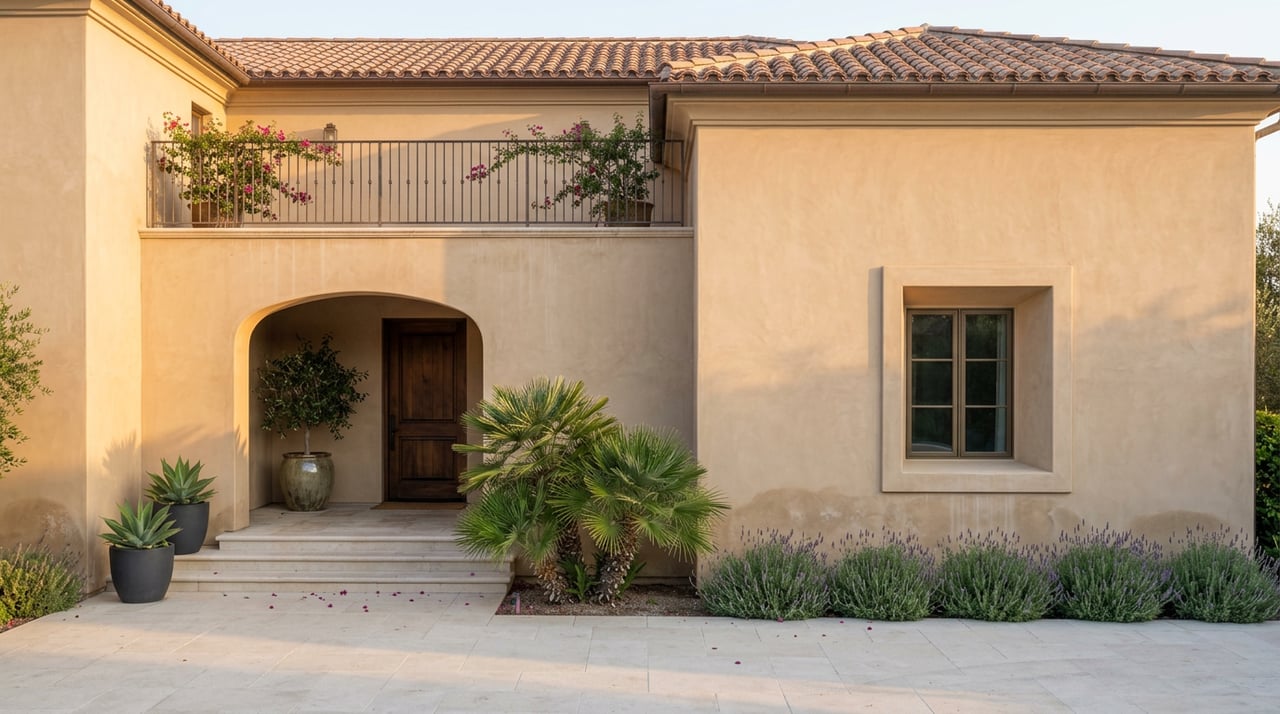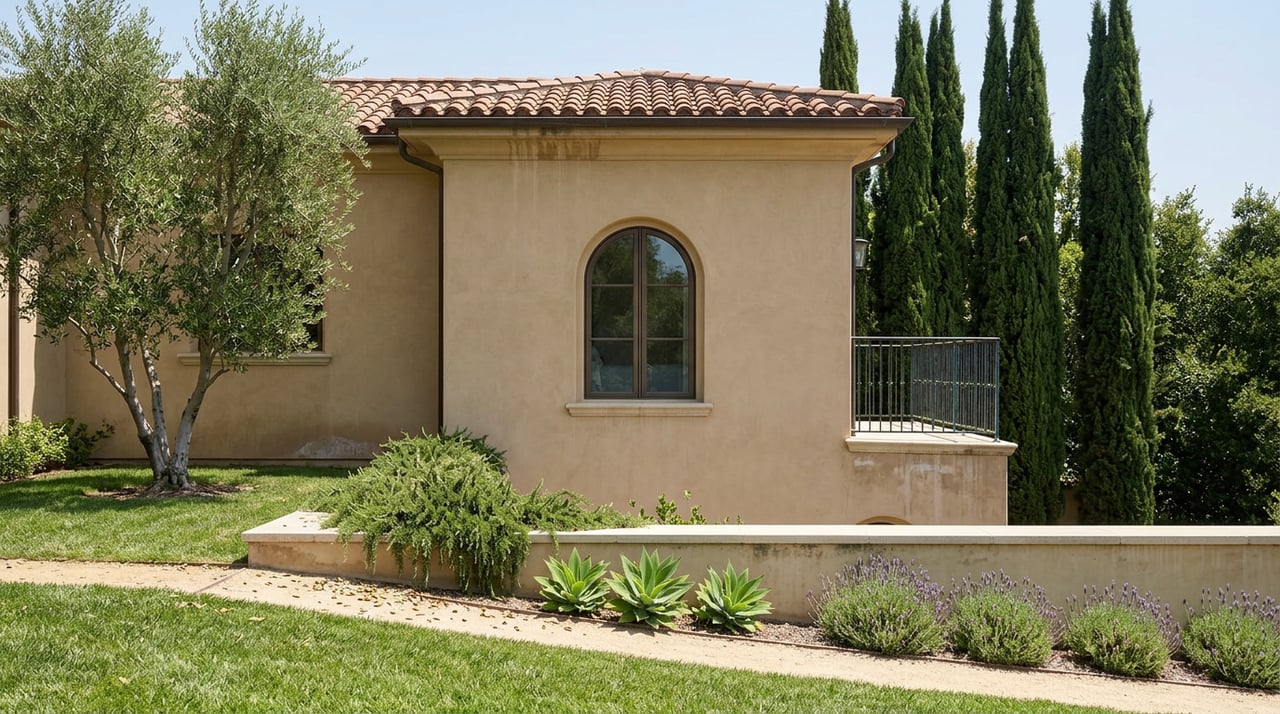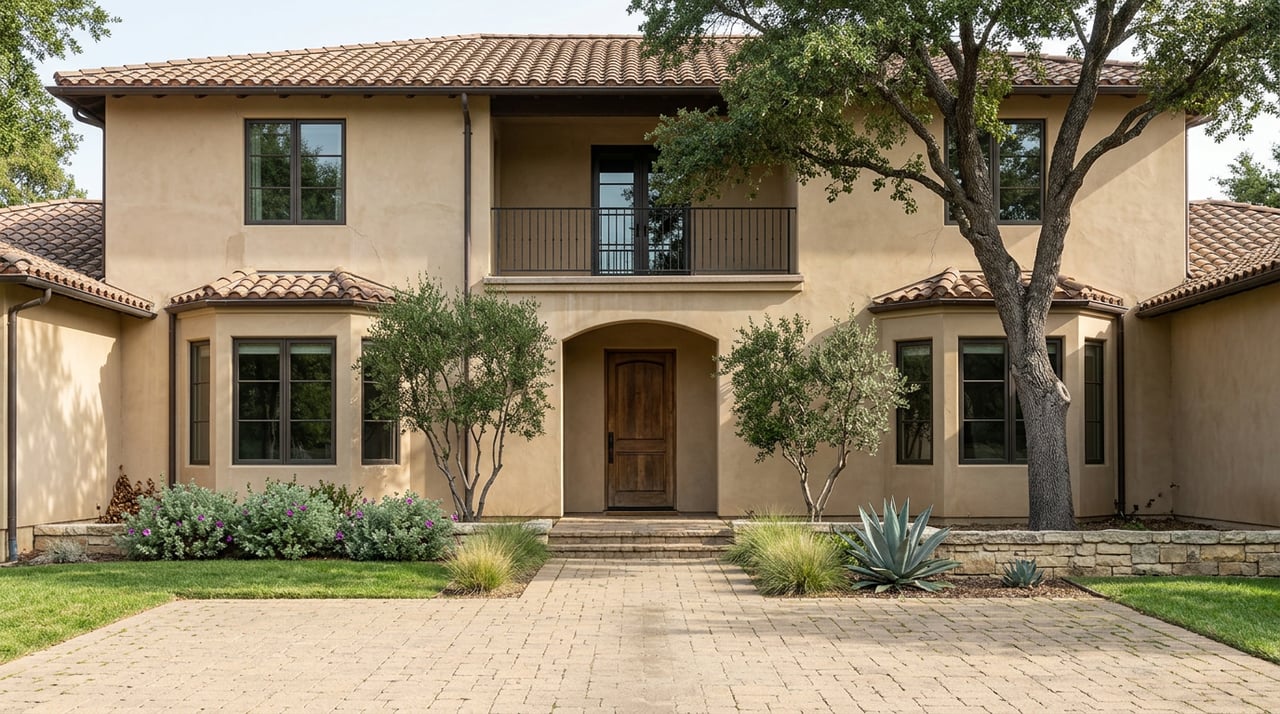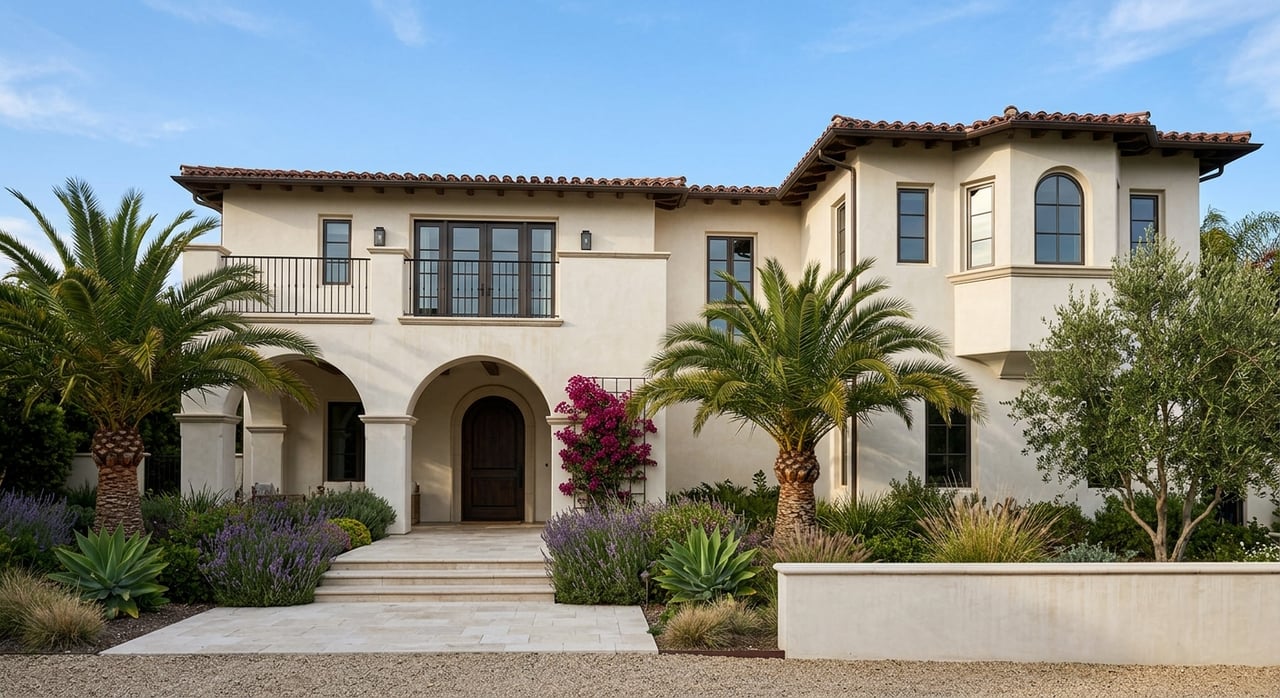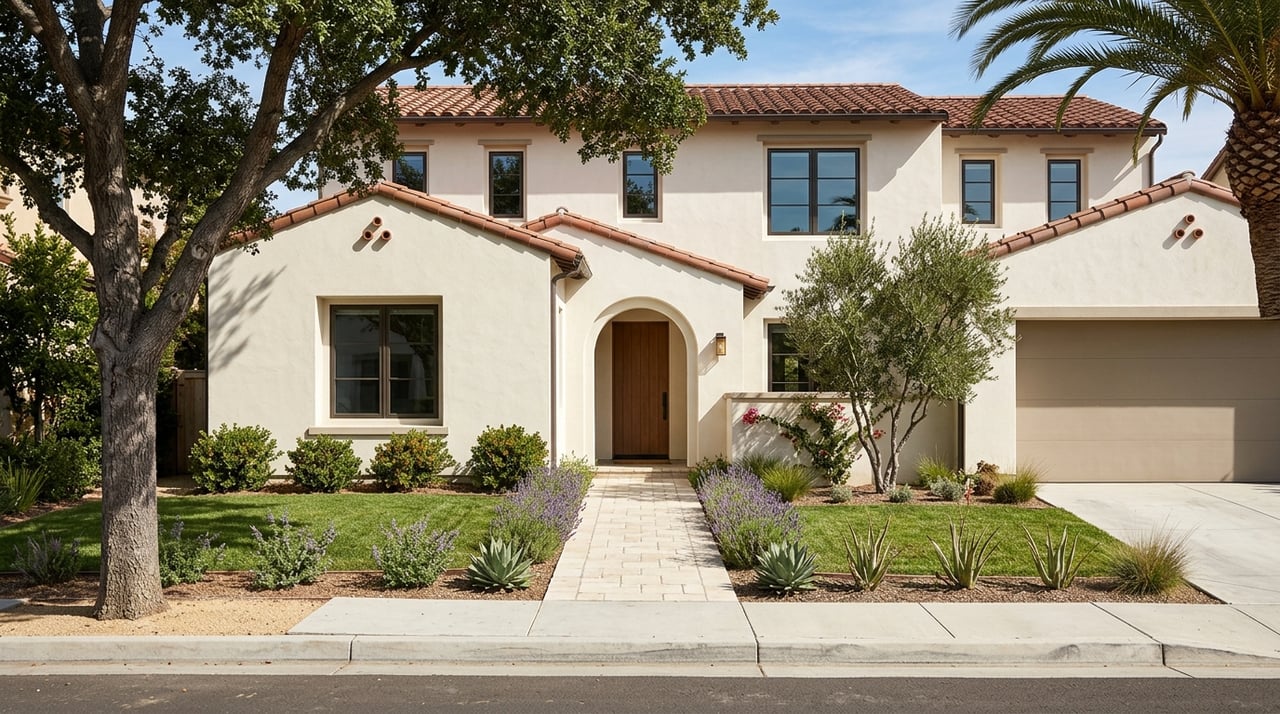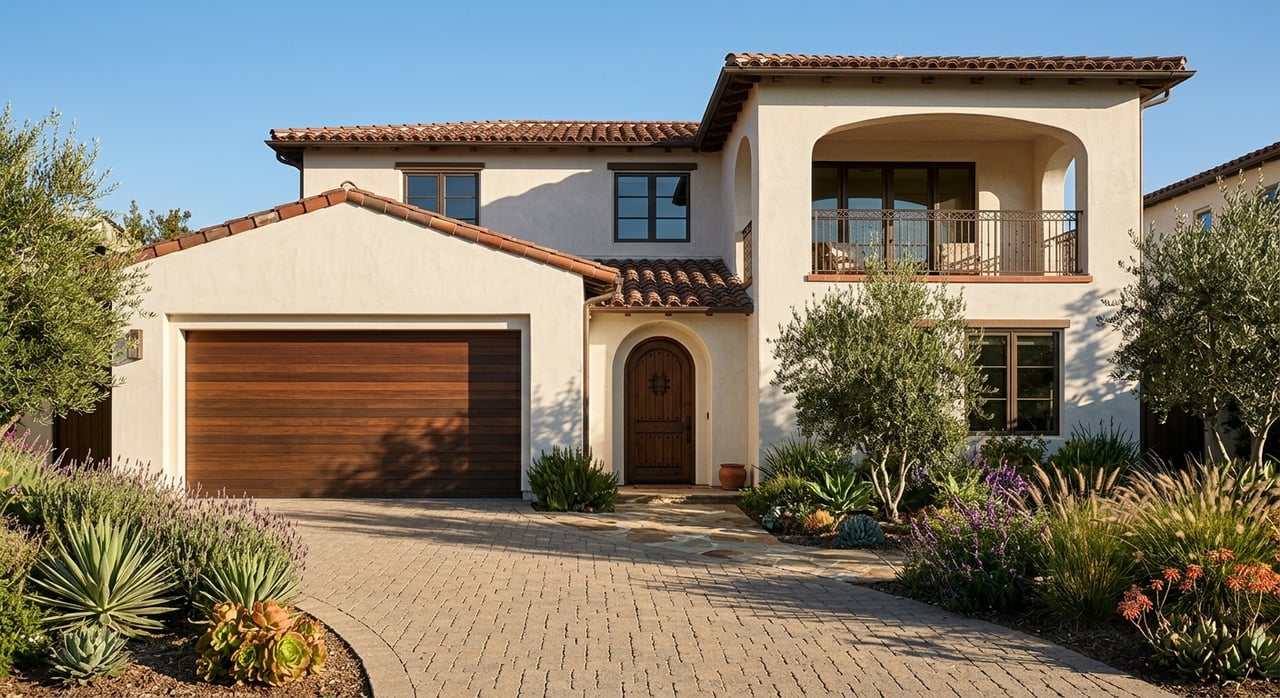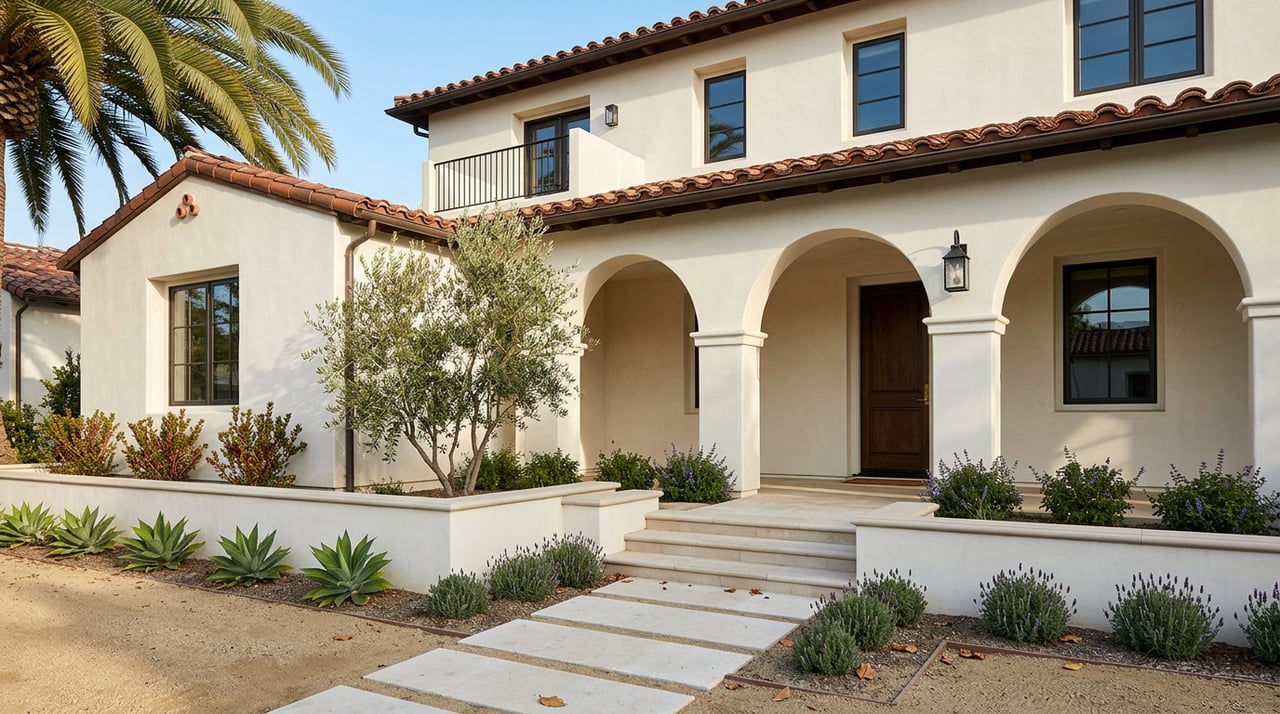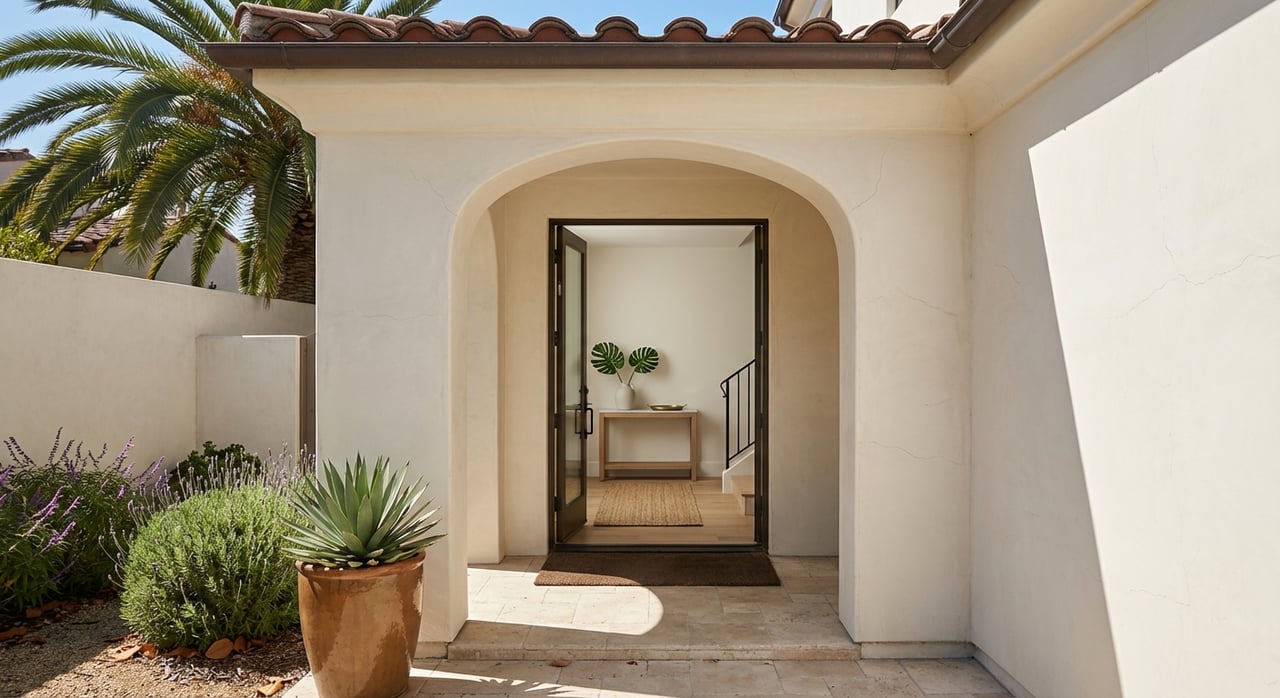
Picture two sellers this fall. One owns a six-bedroom estate in Mountain View Estates, inside Calabasas. The other owns a nearly identical home a few miles away in Encino, inside the City of Los Angeles. Both list for $6 million. Both find a buyer. Both walk into escrow expecting a similar payday.
They don't get one. The Encino seller writes a check for Measure ULA, the City of Los Angeles transfer tax on high-value sales, on top of every other closing cost. The Calabasas seller doesn't, because Calabasas isn't the City of Los Angeles. It never has been. That single fact, more than square footage or finishes, is the reason two identical sale prices produce two very different numbers on the closing statement.
If you're comparing Calabasas to other Los Angeles-area options right now, this is the mechanism worth understanding before you fixate on any median price you saw on a portal this week. That number is less stable than it looks, and it's hiding something more useful underneath.
The Tax Line Nobody Marks On A Map
Calabasas incorporated as its own city on April 5, 1991, making it the newest incorporated city in Los Angeles County at the time. Residents pushed for incorporation specifically to control hillside development standards locally rather than leave those decisions to the county. That local-control history is why Calabasas today sits entirely outside the City of Los Angeles's jurisdiction, even though it feels, culturally and geographically, like a natural extension of it.
That boundary line matters more than it used to. Measure ULA, the tax Los Angeles voters approved in 2022 and that took effect in April 2023, applies a seller-paid transfer tax on top of the standard documentary transfer tax, but only within the incorporated City of Los Angeles. Per the Los Angeles Office of Finance, the thresholds adjust every July 1 based on the Chained Consumer Price Index. For transactions closing after June 30, 2026, a sale between $5.4 million and $10.9 million owes an additional 4 percent, and a sale of $10.9 million or more owes 5.5 percent, calculated on the full sale price, not just the amount above the line.
Run the math and it stops being abstract. A sale at exactly $5,400,000 owes $216,000 in ULA tax alone. A sale at $10,900,000 owes $599,500. Calabasas sellers, along with sellers in Hidden Hills, Beverly Hills, and Santa Monica, owe none of it, because none of those cities fall inside LA's boundary.
Why This Only Matters At Certain Price Points
Here's the part that gets lost in most conversations about Calabasas real estate: this tax line is irrelevant to most Calabasas transactions. If you're shopping condos or smaller single-family homes in Calabasas Park Estates or Calabasas Hills, or an older tract off Parkway Calabasas or Mulholland Highway, you're nowhere near $5.4 million and this whole conversation is academic.
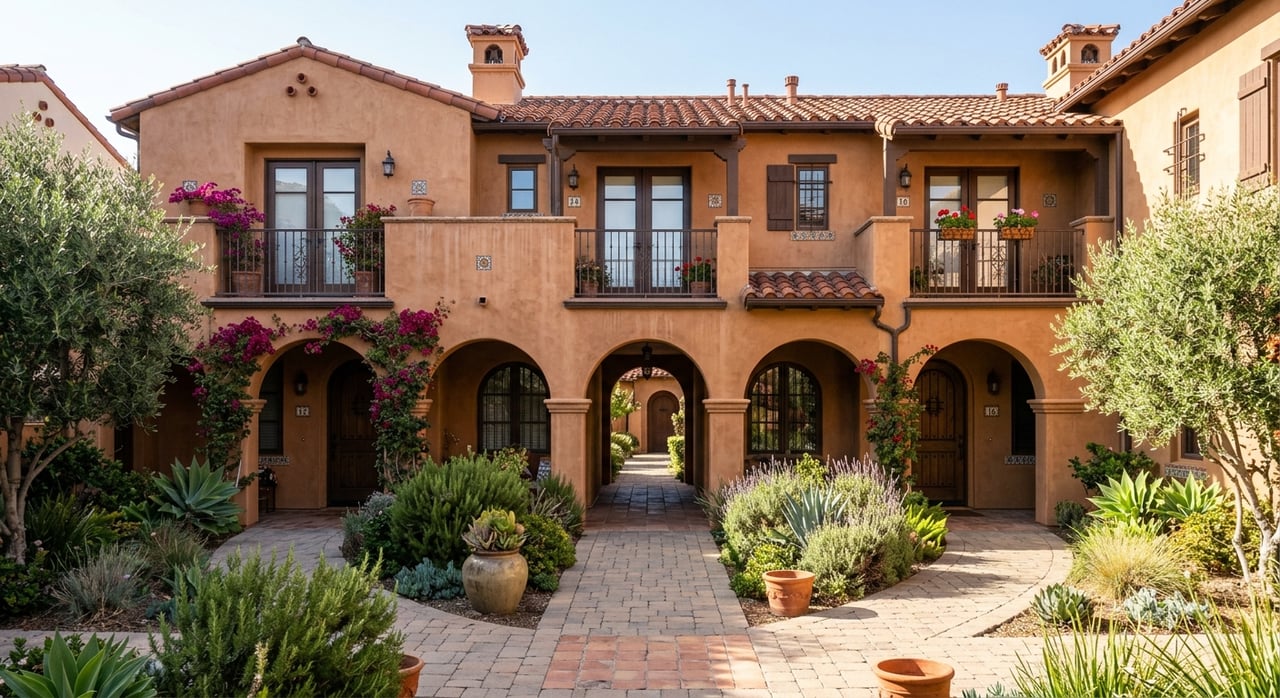
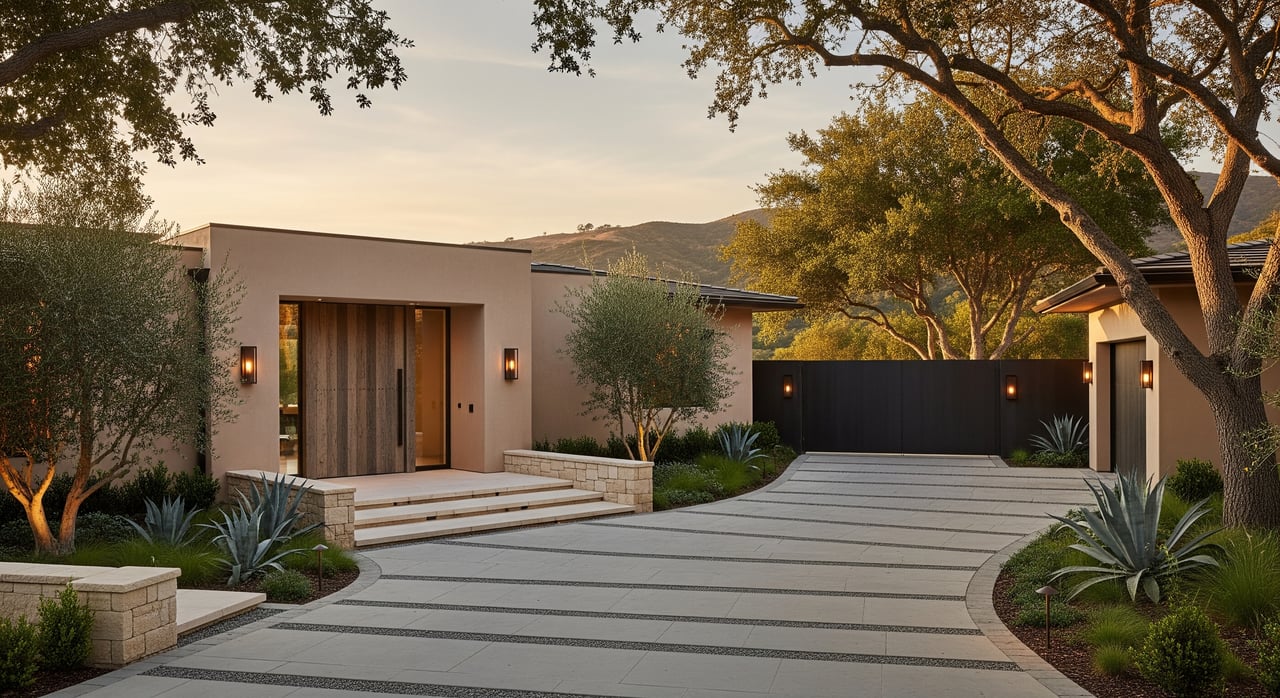
It stops being academic the moment you start touring the city's guard-gated tier. The Oaks, built out to roughly 500 homes with prices commonly running from the high $3 millions into the $9 million range, sits close enough to the ULA threshold that some sales cross it and some don't. The Estates at The Oaks, the smaller enclave inside The Oaks known locally as the gate behind the gate, holds around 50 custom homes on one- to two-acre lots priced from roughly $7 million to $33 million, meaning nearly every sale there crosses the line by a wide margin. Mountain View Estates, off Mureau Road near the 101, typically trades in the $3 million to $8 million range depending on view corridor and renovation date, putting a meaningful share of its inventory right at the threshold too.
This isn't a coincidence of geography. Analysis tied to the tax's rollout found that the odds of a property selling above the $5 million mark fell by as much as 55 percent inside LA city limits after ULA took effect, and industry tracking has pointed to a measurable share of listing inventory shifting toward Beverly Hills, unincorporated pockets of Bel Air, and Calabasas specifically as sellers priced their exits to avoid the city's boundary altogether. Calabasas isn't just incidentally exempt from ULA. At the top of its market, it has become one of the places sellers land because of that exemption.
The Median Price You're Reading Right Now Is Arguing With Itself
If you've already looked up Calabasas home prices, you've probably seen more than one number this month and wondered which one is real. As of August 2026, one national portal put the median home price in Calabasas at $1,988,000. Another portal listed the median asking price at $2.28 million that same month, while its own market trends page put the median sold price at $2,299,000 for homes that actually closed in July 2026. None of these figures are wrong. They're measuring different slices of the same city.
Some of that gap comes from list price versus sold price. Some of it comes from whether condos and attached homes are folded into the same average as detached hillside estates. Some of it comes from how many months of sales get averaged together, which matters enormously in a market where a single $10 million closing in The Estates at The Oaks can swing a monthly median on its own. None of these portals is describing what a specific type of home in a specific Calabasas community actually costs. They're describing whichever slice of inventory happened to close or list during that particular window.
Here's a rougher but more useful way to think about where your money lands in Calabasas, based on the price bands that consistently show up across current listings:
| Tier | Where | Typical range |
|---|---|---|
| Entry | Calabasas Park Estates, Calabasas Hills, attached condos | Under $1 million to roughly $1.5 million |
| Mid | Older single-family tracts off Parkway Calabasas and Mulholland Highway | Roughly $1.5 million to $3 million |
| Guard-gated | Mountain View Estates, The Oaks | Roughly $3 million to $10 million |
| Estate | The Estates at The Oaks | Roughly $7 million to $33 million |
Notice where the ULA-relevant line falls. It sits inside the guard-gated tier and runs through nearly the entire estate tier. That's the number that should shape how you compare Calabasas to a similar search area, not the citywide median that three different sites can't agree on this week.
What This Means If You're Comparing Calabasas To A Similar Home Elsewhere
If your search is anywhere near the $5 million mark, treat the ULA gap as part of your net proceeds math, not a footnote. A Calabasas seller and a seller in the City of Los Angeles can list identical homes at identical prices and still walk away from closing with checks that differ by six figures, purely because of which side of an invisible municipal line the property sits on. That's worth factoring in before you decide how a Calabasas price per square foot stacks up against a comparable listing a few freeway exits away.
A caveat worth sitting with: these thresholds move every July 1, and the entire framework could shift again soon. A statewide ballot initiative backed by the Howard Jarvis Taxpayers Association, officially the Local Taxpayer Protection Act, was certified in May 2026 for the November 2026 ballot. If voters approve it, municipal transfer taxes across California would be capped at 0.05 percent of sale price, which would gut Measure ULA far more than any local reform ever attempted. That means the specific advantage described here has a shelf life tied to an election just a few months out, and anyone pricing a high-value sale this fall should talk through the timing with their agent and closing team rather than assume today's math holds through next year.
None of this is tax or legal advice. Thresholds, exemptions, and ballot outcomes are the kind of thing your closing attorney and CPA need to confirm against your specific transaction before you rely on any number in this post.
A Few Quick Answers
Does Measure ULA affect buyers, or only sellers? By default it's a seller-paid cost under the standard contract, though like any closing cost it can be negotiated between the parties.
Do most Calabasas homes ever get close to the ULA threshold? No. The bulk of Calabasas sales, especially in Calabasas Park Estates, Calabasas Hills, and the older tracts, close well under $5 million and never touch this conversation.
Could Calabasas's exemption change? Not directly. The exemption exists because Calabasas is its own incorporated city, and that status isn't up for a vote. What could change is the size of the gap, since the November 2026 statewide measure could shrink LA's tax dramatically if it passes.
If you're weighing Calabasas against another Los Angeles-area option and want the real math on what a specific price point and neighborhood tier means for your bottom line, Happy SoCal Homes can walk through the numbers with you street by street. Schedule your free consultation and let's figure out what your search actually costs, not just what the median says it costs.